
If you’re a seasoned marathon runner or simply someone who enjoys a good race, the Gold Coast Marathon is likely on your radar. Since its first race in 1979, the Gold Coast Marathon has grown into one of the most prestigious events in the world of running. Set in the beautiful Gold Coast, Queensland, this marathon attracts thousands of participants every year. In 2025, it will celebrate its 45th anniversary, and here are five reasons why you should make this year’s race part of your running journey.

Stunning Scenic Views Along the Course

One of the standout features of the Gold Coast Marathon is its breathtaking course. Starting at Broadwater Parklands on Marine Parade, the route stretches alongside the stunning surf beaches and the Broadwater, offering participants a visual feast throughout the race. Known for being one of the flattest and fastest courses in the world, this marathon offers an excellent chance to achieve personal best times.

The perfect weather conditions are another factor that enhances the experience. With low humidity and minimal winds, the Gold Coast Marathon offers mild temperatures that make for a comfortable and enjoyable run. The result? Over 60% of participants regularly achieve their personal best times here. And with a generous cut-off time of 6 hours and 40 minutes, the Gold Coast Marathon accommodates runners of all levels, giving you the best chance to finish strong.

A Perfect Family Holiday Destination

Running a marathon is an accomplishment in itself, but the Gold Coast Marathon also doubles as an opportunity to explore one of Australia’s most exciting tourist destinations. While you’re pounding the pavement, your family can enjoy a variety of attractions in the area.

For instance, the Aquaduck Gold Coast Tour offers a unique city tour combined with a river cruise. This amphibious vehicle takes you from Cavill Avenue to Surfers Paradise, with live commentary along the way. It even transforms into a boat, allowing you to explore the waterways of the Gold Coast. Children can even take the wheel during the boat segment and receive a special certificate, making it a fun and educational experience for the whole family.

World-Class Marathon with International Recognition

The Gold Coast Marathon is recognized as one of the best in the world, having earned the prestigious World Athletics Road Race Label. It’s one of only two marathons in Australia to hold this honor, along with the Sydney Marathon. This recognition is awarded to events that meet strict standards of race organization, course measurement, timing, media services, medical support, and the quality of the field of elite runners.

For participants, this means you’ll be running a world-class event, surrounded by some of the best marathoners in the world. The event offers the perfect mix of competitive spirit and community camaraderie, making it a must-run for any marathon enthusiast.

Achieve Your Personal Best and Earn Bragging Rights

There’s something incredibly satisfying about crossing the finish line of a marathon, and the Gold Coast Marathon gives you even more reasons to celebrate. As a participant, you’ll receive a finisher’s medal, t-shirt, and certificate to commemorate your achievement. Many runners return year after year to add to their collection of medals, with the Gold Coast Marathon becoming a staple event in their running calendars.

Whether you’re chasing a personal best or simply enjoying the race, there’s a sense of pride that comes with completing this iconic marathon. Plus, don’t forget about the post-race photos—you’ll want to capture that moment and share it with your friends and followers.

Get Fit and Stay in Shape

Running the Gold Coast Marathon isn’t just about race day. It’s an opportunity to get in the best shape of your life. Whether you’re training for the full marathon (42.195 km) or the half marathon (21.0975 km), preparing for this event will push you to improve your stamina and overall fitness. Marathon training provides excellent cardio benefits, helping to improve heart health and endurance.

Many runners find the training process a great motivator to learn about nutrition and proper fueling, which enhances their athletic performance. For those in Malaysia, there are plenty of running clubs where you can train with others, share tips, and build a support network to help you reach your marathon goals.

Final Thoughts

Participating in the Gold Coast Marathon is an experience you won’t soon forget. From the stunning views along the course to the thrill of achieving your personal best, this marathon offers something for everyone. Whether you’re running for the first time or adding another race to your collection, this event is an excellent choice. Plus, with the Gold Coast’s numerous family attractions, you can turn your marathon experience into a holiday for the whole family.
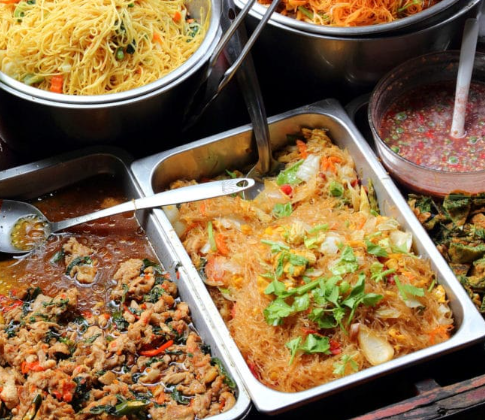
When it comes to food, Northern Thailand offers a distinctive experience that sets it apart from the rest of the country. Known for its rich and unique flavors, the region’s cuisine is deeply rooted in the traditions of the ancient Kingdom of Lanna. While some of these dishes are hard to find outside of the area, Chiang Mai and Chiang Rai are two cities where you can savor authentic Lanna food. If you ever have the chance, don’t miss a Khantoke dinner—a traditional dining experience served at small round tables where you can try the best of Northern Thai food.

Here are ten must-try dishes from Northern Thailand that will take your taste buds on an unforgettable journey.

1. Khao Soi Curry

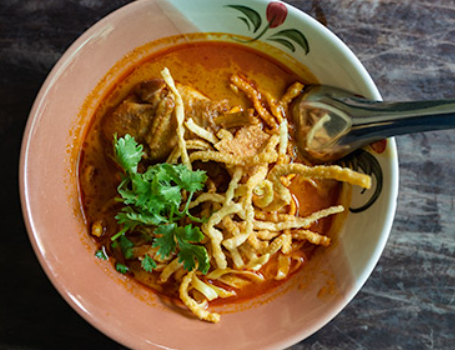
Khao Soi is arguably the most famous dish in Northern Thailand. This coconut-based curry is served over soft egg noodles, topped with crispy fried noodles, and garnished with lime, onions, chili, and pickled cabbage. It’s a mild yet flavorful dish that’s popular in both street food stalls and restaurants throughout the region. A bowl of Khao Soi costs around 30 to 50 baht and is also available in many places in Bangkok.

2. Northern Thai Sausage (Sai Oua)

Known locally as “Chiang Mai Sausage,” Sai Oua is a spiced pork sausage that is a must-try for anyone visiting Northern Thailand. Its unique flavor comes from a combination of lemongrass, kaffir lime leaves, chili, and galangal (a type of ginger). Served in spirals, it’s commonly found at street food stalls and local markets. It’s also a regular feature at Khantoke dinners and is available uncooked for those who want to bring some back home. The price typically hovers around 300 baht per kilo.

3. Chilli Dips (Nam Prik Ong and Nam Prik Noom)

No Northern Thai meal is complete without a bowl of chili dip. The two most popular varieties are Nam Prik Ong, made with red chilies, pork, and tomato, and Nam Prik Noom, which features toasted green chili, garlic, and onions. Both dips are essential at Khantoke feasts and can also be found at many restaurants, usually paired with sticky rice, vegetables, and fried pork skin.

4. Northern Pork Curry (Kaeng Hang Lei)

Kaeng Hang Lei is a slow-cooked pork curry with a distinct fruity flavor. It’s a non-spicy dish, making it ideal for those with a mild palate. The curry is infused with turmeric, tamarind, ginger, and garlic, reflecting a slight Burmese influence. Although it doesn’t enjoy the same popularity as Khao Soi, Kaeng Hang Lei remains a favorite at Khantoke dinners.

5. Miang Kham (Leaf-Wrapped Bites)

Miang Kham is an essential snack that provides a burst of flavor in every bite. It’s made by wrapping a combination of shallots, ginger, chili, peanuts, and lime in a cha plu leaf. This dish is an excellent introduction to the diverse flavors of Northern Thai cuisine, offering a delightful balance of sweet, sour, salty, and spicy. While it can sometimes be found on restaurant menus, the best place to try it is at a Khantoke dinner or local market.

6. Fermented Pork Sausage (Naem)

Naem is a fermented sausage made from minced pork and sticky rice. It undergoes a two-day fermentation process that gives it a unique sour taste. While it can be eaten raw, it’s most commonly enjoyed after being cooked, either grilled or served alongside other dishes. It’s widely available on the streets of Bangkok and throughout Northern Thailand.

7. Khanom Jeen Nam Ngiao (Northern Noodles)

This is a flavorful noodle soup made with fresh rice noodles and a spicy tomato-based broth. Traditionally, it’s served with minced pork balls and jellified pig’s blood, making it a hearty dish. It’s garnished with lime, pickled cabbage, beansprouts, and deep-fried pork skin (kap moo) for added texture. The combination of spicy and sour flavors makes it a distinctive Northern Thai dish.

8. Kaeng Khanun (Unripe Jackfruit Curry)

Kaeng Khanun is a hot and sour soup that features young, unripe jackfruit and cherry tomatoes. The dish offers a fruity twist on the typical Tom Yum, though it’s not as well-loved as other curries in the region. Often served with chunks of pork, Kaeng Khanun is a great choice if you’re looking to explore something a little different.

9. Yum Moo Yor (Steamed Pork Salad)

Yum Moo Yor is a refreshing and spicy salad made with steamed pork sausage. The sausage itself has a rubbery texture, but when combined with fish sauce, lime, and coriander, it turns into a flavorful dish. You’ll find Moo Yor wrapped in banana leaves and sold in street markets, and it’s often served as part of a salad for a tangy contrast to the richness of other Northern Thai dishes.

10. Maa Kratoop Rong (Local Liquor)

No meal in Northern Thailand would be complete without sampling the local alcohol. Maa Kratoop Rong is a type of moonshine made from rice liquor and mixed with medicinal herbs. It’s said to enhance power, alertness, and even serve as an aphrodisiac. While it might not have the most pleasant taste, it’s a unique experience that can be enjoyed during a Khantoke feast along with traditional Thai dancing and other local delicacies.

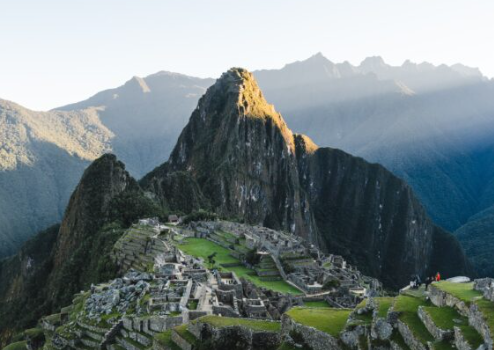
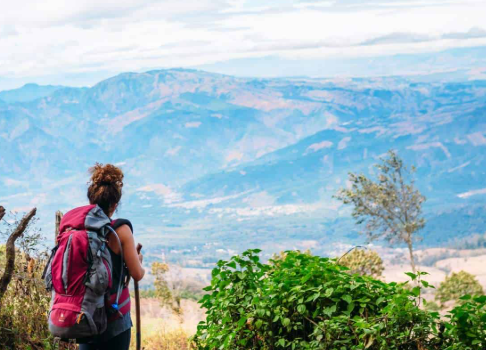
Huaraz, the trekking capital of Peru, offers an incredible variety of hiking experiences that attract adventurers from all over the world. Whether you’re planning a quick day hike or a multi-day trek, this region in the Cordillera Blanca promises everything from snow-capped mountains and crystal-clear lakes to unique Andean villages. Whether you’re an experienced trekker or a beginner, there’s something for everyone.

Perched high in the Andes, Huaraz is home to some of the most scenic trails, with altitude being one of the challenges to consider. To make the most of your adventure, it’s essential to acclimatize, but luckily, there are shorter hikes perfect for getting used to the altitude before tackling longer treks like the Santa Cruz trail.

Here are some of the top hiking spots around Huaraz:

1. Wilkacocha

If you’re new to hiking or just looking for an easy introduction to the region, the Wilkacocha trail is an excellent choice. It’s a short hike, around 2 hours up and 1 hour down, offering panoramic views of the Cordillera Blanca mountains. This trail is ideal for acclimatization, and as it’s easily accessible from Huaraz, it’s perfect for a quick adventure.

On the way, you’ll pass by traditional Andean villages, adding a cultural element to the hike. It’s also free to do, aside from the cost of taking a collectivo, making it a budget-friendly option.

2. Laguna 69

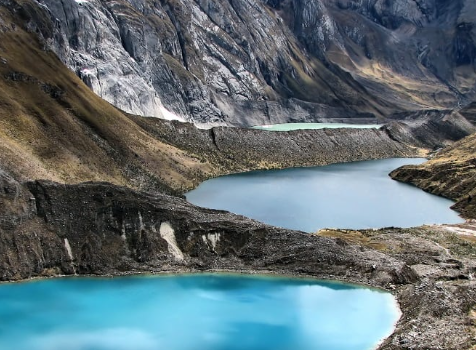
For a slightly more challenging trek, Laguna 69 is a must-do. This beautiful turquoise lake sits at an altitude of 4,650 meters and is surrounded by towering mountains. The hike takes about 3 hours to reach the lake, and around 2 hours to descend.

While you can hike to Laguna 69 independently, many opt for the affordable tour buses that cost around 25-30 soles, which drop you off at the trailhead. Just remember, the hike itself is done on your own. If you’re lucky with the weather, the stunning views and vibrant waters make it all worth the effort. Just be mindful of the altitude—it’s best to acclimatize before attempting this hike.

3. Laguna Churup

Laguna Churup is one of the lesser crowded trails in the area but still offers a great adventure. The trail is about 2 hours up and 1.5 hours down, and it’s an excellent option for those who want to acclimatize and enjoy nature without venturing too far into more strenuous terrain.

The hike begins at the town of Pitec, with a daily collectivo leaving Huaraz at 7:30 am. You’ll need to pay an entry fee to the national park, but once you’re on the trail, the scenery will make it all worthwhile. The climb can be challenging, but the view of the turquoise lagoon surrounded by mountains is one you won’t forget.

4. Laguna Paron

For those looking for a shorter but still scenic hike, Laguna Paron is a great option. The largest lake in the Cordillera Blanca, Laguna Paron sits at an altitude of 4,150 meters. While the hike itself is a bit easier than some of the other trails, you still get stunning views and a chance to enjoy the beauty of the mountains.

You’ll have the option to walk around the lake or take in the views from a mirador (viewpoint) that involves climbing over jagged rocks. The tour to the lake costs around 47 soles plus a 5-sol entry fee to the park. It’s a great spot to spend a day, especially for those short on time but still wanting to enjoy the incredible scenery.

5. Pastoruri Glacier

Located in the southern part of the Cordillera Blanca within Huascarán National Park, Pastoruri Glacier is a unique destination. It’s not only a glacier but also a place to witness the effects of climate change firsthand. A climate expert on my tour explained that the glacier has shrunk by more than 20% in the last 30 years.

Visiting Pastoruri offers a chance to walk on the glacier and take in the surrounding landscapes. Tours can be arranged from Huaraz for about 30 soles, and it’s a great opportunity to learn about the region’s rapidly changing climate.

6. Other Notable Hikes

If you’re looking for more trekking options, Huaraz has a wide range of trails to explore. Some of the most popular options include:

  • Santa Cruz Trek: A multi-day trek offering incredible views of the mountains, this is one of Peru’s most famous hikes.
  • Laguna Shallap: A beautiful high-altitude lake that’s perfect for a scenic trek.
  • Laguna Rajucolta: A quieter trail with stunning views of the surrounding peaks.
  • Lagunas de Llangunco: A lesser-known, peaceful spot ideal for nature lovers.
  • Laguna Uruscocha: A serene lake in the mountains that’s perfect for a peaceful retreat.
  • Laguna Llaca: Another hidden gem for those looking to escape the crowds.

Where to Stay in Huaraz

Huaraz is a bustling city with plenty of accommodation options, but it’s not exactly the quiet retreat I initially imagined. Depending on your budget, you can find a range of places to stay:

  • Casa de Ana: A great budget option, I stayed in a 3-person female dorm here for just 16 soles (£3.89). The hostel is slightly outside the city center but offers a great base for hiking trips.
  • Akilpo Guest House: A fantastic guest house located centrally in Huaraz, offering clean, comfortable, and spacious rooms.
  • The Lazy Dog Inn: If you’re looking for something more secluded, this mountain lodge is a great choice. It offers cozy rooms and spectacular mountain views, but be prepared for higher prices.

Final Thoughts

Huaraz is an incredible base for outdoor adventures. Whether you’re a beginner or an experienced trekker, you’ll find a trail that suits your level and provides stunning views of the Cordillera Blanca. From easier hikes like Wilkacocha to more challenging ones like Laguna 69 and the Santa Cruz Trek, there’s no shortage of options for hikers of all types. Be sure to acclimatize before tackling the high-altitude hikes, and don’t forget to bring plenty of water, snacks, and a camera to capture the stunning landscapes.

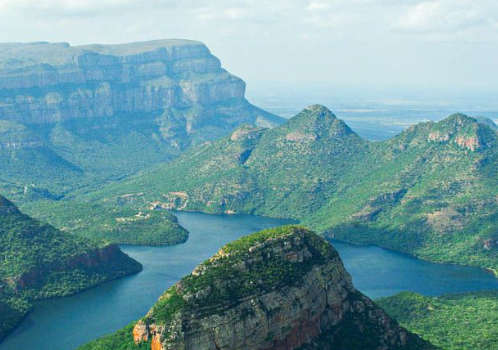
The Drakensberg Mountains in South Africa offer some of the country’s most awe-inspiring views and outdoor adventures. Whether you’re a hiking enthusiast or just a nature lover, this iconic range should definitely be on your list when traveling through South Africa. If you’re wondering how to experience this beautiful destination without breaking the bank, read on for my budget-friendly travel tips to the Drakensberg.

Getting to the Drakensberg Mountains

When it comes to budget-friendly options for getting to the Drakensberg, you have two primary choices: renting a car or using the Baz Bus service. Both are affordable, with a rental car offering more flexibility, while Baz Bus is a great choice for solo travelers looking to meet new people.

Renting a car is highly recommended for most visitors, as it gives you the freedom to explore at your own pace. While most roads are paved and accessible with any vehicle, you will need a 4×4 to reach the more remote areas of the mountains. If you don’t want to rent a 4×4, you can book a tour for those rougher stretches. We found that renting a regular car was a more economical option, and we could still take guided tours for the more challenging routes.

For those without a car, Baz Bus offers a convenient multi-stop service to the Drakensberg. This is particularly ideal for travelers who prefer not to drive but still want to visit popular sites along the way.

Where to Stay in the Drakensberg

Accommodation in the Drakensberg is varied, with budget-friendly hostels available in all areas. These hostels typically feature self-catering kitchens, so you can save on food by preparing your own meals. Many offer additional amenities like swimming pools and common areas for relaxation after a day of hiking.

  1. Northern Drakensberg
    • Where to Stay: Amphitheatre Backpackers Lodge
      • Cost: 295 Rand per night for a dorm ($17.50 USD)
      • This tranquil lodge is set in the heart of nature and is the perfect base for exploring the northern Drakensberg. The property features a fully equipped kitchen, a swimming pool, and plenty of outdoor activities.
    • Best Hike: Amphitheatre Hike in Royal Natal National Park
      • The Amphitheatre is one of the most stunning hikes in the Drakensberg. The trail is relatively easy, but the altitude can make it a bit challenging. If you prefer not to hike alone, guided tours are available for 750 Rand ($50 USD). Otherwise, a 4×4 vehicle is required to reach the starting point, and the park entrance fee is just 90 Rand ($5.50 USD).
      • A highlight of the hike is reaching the top of Tugela Falls, Africa’s highest waterfall. During the dry season, you can stand at the top of the falls, while during the wet season, the view of the cascading water is truly breathtaking.
  2. Central Drakensberg
    • Where to Stay: Cathedral Peak Hotel
      • Cost: Around $129 USD for a standard room
      • Located at the foot of Cathedral Peak, this hotel is a prime location for those looking to explore the central Drakensberg. It’s a little pricier than the hostels, but it’s worth considering for those wanting easy access to trails.
    • Best Hike: Cathedral Peak
      • The Cathedral Peak hike is a must-do if you’re in the central part of the mountains. You can pick up a self-guided map from the hotel, and the entrance fee is 40 Rand ($3 USD). For a shorter and less strenuous option, try the Rainbow Gorge Trail, a lovely 3-hour walk through a lush forest.
    • Historical Site: Giant’s Castle
      • For those more interested in history than hiking, Giant’s Castle is home to ancient cave paintings created by the San people. The site offers a fascinating glimpse into the region’s prehistoric past.
  3. Southern Drakensberg
    • Where to Stay: Sani Lodge Backpackers
      • Cost: 250 Rand per night for a dorm ($15 USD)
      • This cozy backpackers’ lodge is perfect for those visiting the southern Drakensberg. Surrounded by mountains, it’s a peaceful place to unwind after a day of hiking. The nearby Giant’s Cup Café offers meals and free Wi-Fi for guests.
    • Best Hike: Sani Pass
      • The famous Sani Pass hike is a highlight of the southern Drakensberg. The road leading into Lesotho is accessible by tour, and the views of the mountains are incredible. If you prefer a guided experience, a full-day tour can be booked at the lodge, and it’s considered one of the best value tours in the area.
    • Self-Guided Hikes: If you prefer to hike on your own, there are plenty of options starting directly from the lodge. The Stromness Plateau is an easy hike that rewards you with stunning views of the valley. Entrance fees for self-guided hikes are typically 45 Rand ($3 USD).

How Long Should You Stay?

A stay of 3 to 10 days in the Drakensberg will give you enough time to explore the main areas. If you’re short on time, focusing on one section of the mountains (North, South, or Central) is a great option. For a more in-depth experience, I recommend staying for about a week and making sure to prioritize the northern Drakensberg for its stunning views.

Additional Tips for Visiting the Drakensberg on a Budget

  • Self-Catering: Save money by shopping for groceries in nearby towns and preparing your own meals. Most hostels in the Drakensberg have fully equipped kitchens.
  • Guided Tours: While hiking on your own is possible for many trails, guided tours are a great way to learn more about the history and nature of the region. Prices for day tours range from 500-750 Rand ($30-$50 USD).
  • Travel Insurance: Don’t forget to purchase travel insurance before embarking on your trip, especially if you plan to hike in the mountains. I used Squaremouth Insurance, which provided affordable plans and reliable support.

Conclusion

Visiting the Drakensberg Mountains on a budget is entirely achievable, thanks to affordable accommodations, self-guided hikes, and budget transportation options. Whether you’re interested in hiking, exploring ancient caves, or simply soaking in the stunning views, the Drakensberg is an unforgettable destination that doesn’t require a luxury budget to experience fully. So pack your bags, hit the trails, and enjoy one of South Africa’s most remarkable natural wonders!

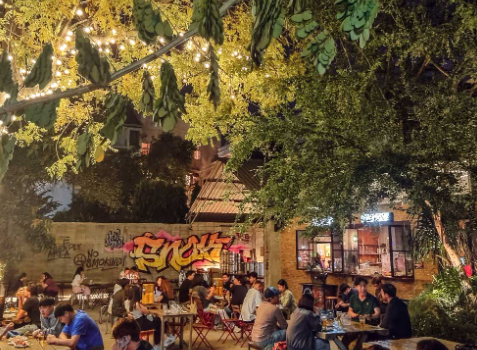
Chiang Mai may not have been at the top of my list as a “foodie” destination initially, as I was more drawn to the remote areas where the culinary influences of Myanmar, Laos, and Yunnan converge with northern Thai cuisine. However, during a recent visit, I found myself in the Nimman district of Chiang Mai, a vibrant area filled with street art, mountains in the backdrop, and a laid-back atmosphere that locals describe as “Chilled!” or “Ta Ton Yon!” To my surprise, Nimman turned out to be a food lover’s haven, with an exciting mix of flavors and a street food scene that blends perfectly with the area’s youthful and diverse vibe.

The Heart of Nimmanhemin Road

Chiang Mai is a major hub for both tourists and expats, and the Nimmanhemin Road area, often referred to as “Chiang Mai’s coffee street,” has become a central point for the city’s café culture. This area is still evolving into a full-fledged food scene, attracting a mix of locals, expats, and travelers. The variety of food here caters to diverse tastes, with an emphasis on dishes that remind the Asian crowd of home.

Nimman’s Café Culture: Where Whimsy Meets Coffee

One of the standout features of Nimman is the local ‘Fung-Fing’ culture, which shares some similarities with Japan’s obsession for ‘Kawaii.’ This culture revolves around cafés that are perfect for selfies, with many places offering cute, quirky décor. While coffee culture thrives here, I found myself captivated by the whimsical nature of Nimman’s café scene. A favorite in the area is Korean Bingsu, a shaved ice dessert that graces nearly every sweet menu. For dessert lovers, this treat — especially when paired with durian — is a must-try.

A Journey Through Asian Flavors

Every evening in Nimman feels like a culinary journey through Asia. From enjoying Okonomiyaki that transports me back to Osaka, to Sichuan Hot Pots that remind me of Chongqing, China, Nimman has a way of bringing these regional dishes to life, making them accessible even outside of their origins. The most prominent influence, however, is Mala, a Sichuan favorite that combines the heat of chili flakes and the numbing sensation of Sichuan peppercorns. Nimman is home to an entire strip dedicated to Chuan’r (Sichuan kebabs), where the meats are dusted with salt, chili flakes, cumin, and most importantly, Sichuan peppercorns, for that signature numbing spice.

Local Lanna Cuisine: The Heart of Nimman’s Flavors

Despite the wide array of international flavors, Lanna food will always reign supreme in Nimman. Local noodle stalls serve up northern Thai classics like Khao Soy, a coconut curry noodle soup, and Khanom Jeen, rice noodles served in a spicy Nam Ngiao tomato-based broth. If you’re looking for an authentic northern Thai experience, the Khantoke meal is a must. These meals are served tapas-style, with a variety of small dishes to share, including spicy Sai Oua sausage, Nam Prik Noom (a green chili dip), Nam Prik Ong (a minced pork and tomato dip), and a selection of boiled vegetables, pork scratchings, and rich Hang Ley pork curry to round out the meal. Dining in Nimman truly offers a perfect blend of traditional and contemporary flavors that will leave you craving more.

Conclusion

Chiang Mai’s Nimman district has emerged as a vibrant culinary hotspot, offering a unique mix of international flavors and authentic northern Thai cuisine. Whether you’re indulging in the fun café culture, diving into a hot pot, or savoring the bold spices of Lanna dishes, Nimman is a mecca for food lovers seeking both local and global food experiences. The diversity and richness of the flavors here make Nimman a must-visit for any food enthusiast.

With Raya just around the corner, many are starting to think about their travel plans to make the most of the long holiday. Whether you’re looking to explore nearby locations or venture farther afield, here’s a list of 10 incredible destinations that are perfect for celebrating Raya, categorized by trip duration.

Quick Getaways for 4 Days

If you’re looking for a short, relaxing break, these destinations are perfect for maximizing the long Raya weekend without taking too much time off work.

Chiang Mai, Thailand

If you want a laid-back escape that’s not as busy as Bangkok, Chiang Mai in northern Thailand is an ideal choice. Nestled in the mountains, this city is a foodie’s dream and offers a serene atmosphere perfect for a short Raya getaway. Visit the famous Wat Phra That Doi Suthep, a 14th-century temple perched on a mountain, and enjoy some delicious khao soi, a local coconut curry noodle dish. The relaxed pace of life and rich culture make Chiang Mai a great spot for rejuvenation.

Gili Islands, Indonesia

The Gili Islands, located off the coast of Lombok, Indonesia, are a haven for beach lovers and adventure seekers. Gili Trawangan is known for its lively atmosphere, perfect for those looking to unwind and party, while Gili Air offers a quieter, more peaceful experience for couples or anyone seeking tranquility. Enjoy snorkeling, diving, or a cooking class to learn local dishes. The islands are accessible by boat, and we recommend traveling light with a backpack for easier mobility.

Hanoi, Vietnam

For a cultural experience with a mix of old and new, Hanoi is a fantastic destination for a short getaway. Just a few hours from Kuala Lumpur, you can explore the historic Old Quarters with its 36 streets, each dedicated to a specific trade. Don’t miss a day trip to the stunning Halong Bay, where you can spend a night on a boutique boat, experiencing the beauty of Vietnam’s landscapes. Hanoi’s blend of culture, food, and history is sure to make your Raya celebrations unforgettable.

Palawan, Philippines

Palawan, known for its pristine beaches and crystal-clear waters, is often named the best island in the world. Whether you head to El Nido for its scenic beaches and lagoons, or explore Puerto Princesa’s Underground River, Palawan offers endless adventure. Enjoy kayaking, scuba diving, and savor the island’s fresh local food. The laid-back atmosphere and stunning surroundings make it an ideal destination for a relaxing holiday.

Week-Long Escapades for 7 Days

If you’re looking to take a bit more time off, these 7-day destinations are perfect for a longer, more immersive Raya vacation.

Busan, South Korea

Busan, South Korea’s vibrant coastal city, offers a mix of urban excitement and natural beauty. Seafood lovers will enjoy the Jagalchi Fish Market, where you can select fresh catches and enjoy them in nearby restaurants. For a scenic experience, visit Beomcheong-dong’s rooftops, which feature stunning views of Busan’s skyline. Explore the city’s beaches and temples, and get a taste of Korean culture through its food and architecture.

Tokyo, Japan

If you’re lucky enough to travel during the cherry blossom season, Tokyo is the place to be. With beautiful parks like Ueno and Yoyogi, you can enjoy the blooms and experience Japan’s iconic cherry blossom festivals. A stroll along the Meguro River offers some of the most picturesque scenes of sakura trees. This trip provides the perfect balance of vibrant city life and peaceful natural beauty, making your Raya celebration one to remember.

Perth, Australia

For a refreshing escape, head to Perth, where Australia’s autumn weather offers the perfect break from the heat. Cruise along the Swan River to Fremantle, visit Rottnest Island for a chance to meet the famous quokkas, and explore the local arts scene. If you’re lucky, you may even catch a glimpse of migrating whales off the coast. Perth’s cool temperatures and scenic surroundings make it a wonderful Raya destination.

Extended Vacations (9 to 14 Days)

For those who want to truly immerse themselves in a destination and extend their Raya celebrations, these longer trips offer both relaxation and adventure.

Germany

Germany in March and April offers beautiful spring weather, perfect for exploring cities like Berlin and Munich. In Berlin, discover the city’s artsy neighborhoods, while Munich offers access to the fairy-tale-like Neuschwanstein Castle and the Bavarian Alps. With fewer tourists in spring, it’s the best time to enjoy Germany’s rich culture, historic landmarks, and outdoor beauty.

Turkey

A trip to Turkey is ideal for those seeking a mix of history, culture, and natural wonders. In Istanbul, visit landmarks like the Hagia Sophia and the Blue Mosque, and explore the city’s vibrant bazaars. For an unforgettable experience, take a hot air balloon ride in Cappadocia, where you’ll witness stunning landscapes as you float above the valleys. Turkey’s unique blend of cultures makes it a fascinating destination for an extended Raya celebration.

Denmark and Sweden

Explore the best of Scandinavia with a trip to Denmark and Sweden. In Denmark, visit Copenhagen’s Tivoli Gardens, the world’s third-oldest theme park, and enjoy the city’s historic charm. In Sweden, explore Stockholm’s Royal Palace and its impressive architecture. A well-planned itinerary will give you a taste of both countries’ natural beauty and rich culture, making it an ideal trip to end your Raya celebrations on a high note.

Conclusion

Whether you have a long weekend or an extended break for Raya, there’s a perfect destination for you. From cultural explorations to relaxing beach getaways, these 10 destinations offer the ideal setting for making the most of your holiday. So, pack your bags and get ready for an unforgettable Raya celebration.

Traveling is about much more than ticking off a list of sights; it’s an opportunity to connect with different cultures and gain new perspectives. Whether you’re exploring ancient ruins, savoring local dishes, or diving into the unknown, each new experience can be enriching. But how can you ensure that your travels are respectful and positive for the communities you visit? Here’s a guide on how to plan a trip that respects and celebrates the cultures you encounter.

Do Your Research

Before heading out on your next adventure, take the time to learn about the culture, customs, and history of the destination you’re visiting. This step is key to ensuring that your actions and behaviors are respectful. Understanding the local lifestyle, traditions, and history will help you avoid accidental offenses and give you a deeper connection to the place.

The more you know about the local community, the richer your travel experience will be, and the better you’ll be at respecting and embracing the culture.

Engage with Local Communities

Immersing yourself in the local culture is one of the best ways to truly experience a destination. Look for opportunities to connect with the people who live there through community tourism, local festivals, or volunteering projects. These interactions can lead to a much more authentic travel experience, where you’ll not only learn but also foster mutual understanding and friendship.

Respect Local Customs

Respecting the local customs and traditions is crucial when traveling responsibly. When you visit a sacred site or participate in a cultural activity, make sure to approach it with reverence and care. Whether you’re visiting a Hindu temple in Bali or dining with a local family in Japan, taking the time to understand and appreciate local customs will allow you to connect on a deeper level. Remember, it’s all about showing respect and engaging thoughtfully with the local culture.

Learn Basic Phrases in the Local Language

You don’t have to be fluent, but learning a few key phrases in the local language can make a big difference. Simple greetings like “hello,” “thank you,” and “please” go a long way in bridging gaps and showing locals that you care about their culture. Your effort to communicate in their language will be appreciated, and it will help you forge stronger connections.

Support Local Businesses

One of the most impactful ways to support a community is by shopping and dining at locally owned businesses. Choose accommodations, restaurants, and shops that are run by local people, as this helps sustain their economy and keeps traditional craftsmanship alive. Supporting artisans, farmers, and local producers ensures that your money goes back into the community, helping preserve their unique culture and traditions.

Minimize Your Environmental Impact

Being a responsible traveler doesn’t stop at cultural respect. It’s also about caring for the environment. Try to minimize your ecological footprint by reducing waste, conserving resources, and following the rules when engaging in outdoor activities. Respect nature by staying on designated trails and by taking care not to damage protected areas or wildlife habitats.

Shop Responsibly

When buying souvenirs, make sure they are ethically sourced. Look for locally made crafts or products that truly reflect the culture of the destination, and avoid items made from endangered species or that exploit local resources. Support fair-trade products that help local artisans and communities thrive while promoting sustainability.

Educate Yourself and Others

Learning about responsible travel and spreading the knowledge can make a big difference. Share your experiences with fellow travelers, friends, and family to encourage a culture of respect and sustainability. When more people are aware of the importance of cultural sensitivity and responsible tourism, the more positive impact we can collectively have on the places we visit.

Practice Cultural Sensitivity

Cultural sensitivity is vital when traveling. There may be moments where you unintentionally offend someone, simply because you’re unaware of a custom or tradition. To avoid these awkward situations, do some research about the cultural norms before your trip. Once you arrive, keep an open mind and be ready to learn. Engaging with local practices, embracing new ideas, and being respectful will not only enhance your experience but will also show the local community that you honor their way of life.

Conclusion

Responsible travel is about more than just being mindful of the environment; it’s about engaging with local cultures in a respectful, appreciative, and ethical manner. By learning about the places you visit, supporting local businesses, and practicing cultural sensitivity, you can have an enriching travel experience while making a positive impact. Travel is about creating meaningful connections, so let’s do our part in ensuring that we respect and celebrate the communities we explore.

Hiking Volcan Acatenango, located near Antigua, Guatemala, was one of the most physically demanding yet rewarding experiences of my life. The struggle was real, but the beauty and the rewards made every step worth it.

Having spent a month in Guatemala, I had heard from numerous travelers that hiking Acatenango was one of the best things they had done in the country. Not wanting to miss out, I booked an overnight hike and embarked on an adventure that will forever be etched in my memory.

Why Hike Volcan Acatenango?

The hike to Volcan Acatenango is an extraordinary challenge, but it offers some of the most incredible views and experiences. From the rugged terrain to the sight of Volcan Fuego erupting against the night sky, this trek delivers a true adventure. If you’re in Guatemala and up for a challenge, this hike is absolutely worth it.

Is It Possible to Hike Acatenango Without a Tour?

Technically, you can hike Volcan Acatenango independently during the day, but I wouldn’t recommend it. The terrain is tough, with steep inclines and unpredictable weather. A guided tour ensures your safety, provides necessary equipment, and allows you to enjoy the experience fully. Plus, watching Volcan Fuego’s eruptions from the comfort of a camp is an unforgettable experience, and a guided tour ensures you don’t miss out on this.

A guided tour typically includes:

  • Pre-set campsite
  • Cooked meals (dinner and breakfast)
  • Sleeping bags and pillows
  • Warm clothing for the cold summit morning
  • Walking sticks for the descent
  • An experienced guide who knows the trail and the mountain

I highly recommend booking a tour to make the most out of this adventure.

Choosing the Right Tour Company

For a hike this challenging, it’s worth opting for a well-reviewed tour company. I initially booked with Balam Tours, but they no longer operate as of 2024. For future travelers, I suggest checking out options on Get Your Guide, where you can find tours with high ratings. Prices are typically around $90 USD for an overnight tour, including all essential gear and an expert guide.

How Difficult is the Acatenango Hike?

Let me be clear – hiking Volcan Acatenango is tough. The trail is steep, rocky, and the altitude is intense, so it’s not for the faint of heart. The hike to the campsite starts at 1,400 meters and goes up to 3,300 meters over a 10-km stretch. Expect to push your body to the limit, especially if you’re not used to high-altitude hikes.

The terrain is uneven, with loose gravel and rocks, which can make each step tricky. To add to the challenge, the pace of my tour group was fast – everyone was fitter and faster than me. But luckily, our guide Miguel kept the group together and always cheered me on. His positive energy made the tough moments more bearable.

The Journey Up

Despite my lack of preparation, I kept going, fueled by the changing landscapes around me. The hike traverses three distinct ecosystems:

  • Oak Forest: A lush, vibrant area filled with flowers and corn fields.
  • Cloud Forest: A humid, dense jungle with vines and rich green foliage.
  • Sub-Alpine Forest: The final stretch, which is drier with pine trees and cooler temperatures.

The climb took us about 3 hours and 45 minutes, which was faster than most groups. By the time we reached the campsite, I was exhausted but incredibly proud. The views throughout the hike were mesmerizing, and the changing environments kept me distracted from my tired muscles.

Camping at Volcan Acatenango

Camping on the slopes of Volcan Acatenango is surreal. After a cold and tiring ascent, we set up camp and gathered around the fire. Miguel served us a hearty dinner, followed by a cup of hot chocolate and roasted marshmallows.

As night fell, we eagerly waited for Volcan Fuego to erupt. From our campsite, we had the perfect view of Fuego’s constant activity. The volcano emitted powerful eruptions, sending black smoke and glowing lava high into the sky. The combination of the volcano’s eruptions, lightning strikes, and rumbling thunder made for a dramatic and unforgettable evening.

The Sunrise Hike to the Summit

At 3:50 AM, Miguel woke us up for the final stretch – the sunrise hike to the summit. I wasn’t sure if I could do it, but the excitement of seeing the sunrise over the volcanoes kept me going. The first 45 minutes were pure struggle, as we hiked in the freezing dark, with altitude and slippery gravel making every step feel harder. My chest tightened, and my headlamp kept slipping off my face.

But when we finally reached the summit, everything changed. The sunrise over the three volcanoes surrounding Antigua – Acatenango, Fuego, and Agua – was indescribable. Watching Fuego erupt in the early morning light was worth every ounce of effort.

What to Pack for the Hike

While guided tours provide most of the essentials, here’s a checklist of what you’ll need for the hike:

  • Good hiking boots: Essential for the rocky terrain.
  • Comfortable clothing: Dress in layers to prepare for varying temperatures.
  • Swimwear: To enjoy a refreshing dip at the Grotto Waterfall.
  • Towel: A microfiber towel is light and quick-drying.
  • Water: At least 1-2 liters for hydration.
  • Snacks: For a little extra energy along the way.
  • Camera: You’ll want to capture the stunning scenery.
  • Sun protection: Sunscreen, hat, and sunglasses for the exposed sections.
  • Travel insurance: Always a good idea to have coverage for such adventurous trips.

Conclusion

Hiking Volcan Acatenango is a challenging but incredibly rewarding experience. From the tough ascent to the stunning sunrise, every part of the hike is unforgettable. The chance to witness Volcan Fuego’s eruptions in person, camp on the slopes of a towering volcano, and push your physical limits makes this hike a must-do in Guatemala.

If you’re looking for adventure, breathtaking views, and a sense of accomplishment, hiking Volcan Acatenango should be at the top of your list.

Meditation is widely recognized for its ability to help alleviate stress, center the mind, and nurture inner peace. It’s no surprise that this practice has become increasingly popular around the world, embraced by people from all walks of life. In Asia, there are numerous retreats dedicated to helping participants disconnect from the stresses of daily life, providing serene environments for self-reflection and relaxation. If you’re seeking a peaceful escape to nurture your mind and soul, here are four of the top meditation retreats in Asia to consider.

1. Plum Village, Thailand

Plum Village, founded by the influential Zen Master Thich Nhat Hanh, offers transformative mindfulness and meditation retreats in the tranquil Thai countryside, just an hour and a half from Bangkok. The retreat focuses on “engaged Buddhism,” integrating mindfulness practices with social and environmental activism. Participants are invited to explore the peaceful practices of walking meditation, mindful eating, and Dharma talks, while also engaging in humanitarian and ecological projects.

During a typical retreat at Plum Village, guests start their days early with meditation sessions and other reflective practices. There is also ample time for personal relaxation, reflection, and community connection with both fellow retreat-goers and the resident monks.

2. Bali Silent Retreat, Indonesia

Nestled amidst the lush rice terraces of Tabanan, Bali, the Bali Silent Retreat is an off-the-grid sanctuary designed to help individuals reconnect with themselves. What sets this retreat apart is its flexible schedule, allowing guests to design their own experience while adhering to the core principle of “doing nothing.” The retreat is located near the sacred Batu Karu mountain and offers a truly immersive experience in silence and mindfulness.

Guests can engage in mindfulness meditation, yoga, Balinese cultural discussions, and sustainability lessons, all while detoxing from technology and the outside world. If you prefer, you can also explore the option of a day pass, which grants access to organic meals, daily programs, and activities. The retreat promotes a peaceful, reflective environment, making it perfect for those seeking tranquility and inner balance.

3. Vipassana International Academy, India

For those looking to deepen their meditation practice, the Vipassana International Academy in Igatpuri, Maharashtra, offers a rigorous 10-day Vipassana meditation course. Vipassana, meaning “to see things as they truly are,” is one of the oldest meditation techniques in India, focusing on the connection between the mind and body through mindfulness of physical sensations. This intensive course is suitable for meditators of all levels and is held in complete silence to enhance concentration.

The daily schedule involves 7-8 hours of meditation, both seated and walking, as well as periods of reflection. The retreat is donation-based, allowing participants to pay what they can afford based on the value they’ve received from the experience. Accommodation is simple, and meals are vegetarian. The course is an immersive way to reset your practice and gain deeper insight into your mind and body.

4. Bliss Sanctuary for Women, Bali

Bliss Sanctuary for Women in Bali offers a unique blend of wellness and meditation designed specifically for women. With several retreats located in the popular Seminyak and Canggu areas, Bliss Sanctuary provides a luxurious yet intimate atmosphere for women seeking relaxation and self-care. The sanctuary focuses on holistic well-being, offering personalized meditation sessions, yoga, and spa treatments.

Whether you’re a beginner or an experienced meditator, Bliss Sanctuary tailors the experience to your personal needs. You can enjoy one-on-one meditation and yoga sessions with dedicated instructors or explore a variety of activities, from detox programs to cultural experiences. It’s an ideal choice for women looking for a rejuvenating escape while practicing mindfulness in a serene and supportive environment.

Preparing for Your Meditation Retreat

Attending a meditation retreat is a transformative journey, and being prepared will enhance the experience. Some essential tips for your retreat include bringing comfortable clothing, a meditation cushion, and an open mind. Embrace the silence—while it may initially feel challenging, it is an essential part of the meditation process. Don’t be too hard on yourself; remember, the purpose is to observe your thoughts and emotions without judgment.

Meditation retreats provide a peaceful environment to disconnect, center yourself, and find clarity. Whether you’re new to meditation or seeking to deepen your practice, these retreats offer the perfect setting to cultivate inner peace. Take the time to recharge and embrace the tranquility that these serene destinations offer, and come away with a renewed sense of balance and mindfulness.

Exploring local food is one of the best parts of traveling, and in Argentina, I’ve found that no dish is as irresistible as the empanada. If you’re a foodie like me, you know the thrill of hunting for the best local eats. While it’s easy to fall into the trap of touristy spots, nothing beats finding a hidden gem that serves authentic, delicious food. After spending some time in Argentina, I can confidently say that the empanada is a must-try.

The Empanada Capital: Salta’s Famous Tournament

If you’re serious about finding the best empanadas, head to the north of Argentina, specifically to Salta. This region is well-known for its empanada tournament, held every September, where over 70 vendors compete for the title of best empanada maker. I had the good fortune to be in Salta during the tournament, and let me tell you—it was an experience like no other. The festival is a celebration of all things empanada, and walking through the stands, sampling different fillings, was an absolute treat.

What Exactly is an Empanada?

At its core, an empanada is a dough-filled pocket, traditionally stuffed with various savory fillings. The basic concept is simple, but the variety of fillings is what makes empanadas so exciting. From ground beef to chicken, cheese, and even corn, you can find just about anything inside that doughy shell.

Here are some popular empanada varieties you’ll find around Argentina:

  • Carne: The classic empanada, filled with ground beef, usually spiced with either a mild or spicy sauce. You’ll find these at just about any empanada spot.
  • Pollo: These empanadas feature chicken mixed with onions, potatoes, or other vegetables. A comforting choice for chicken lovers.
  • Carne Cortados a Cuchillo: A more premium option, this empanada features finely chopped meat, giving it a juicier and more tender texture compared to the standard ground beef.
  • Matambre: This variety uses the outside ribs of a cow, adding a rich and unique flavor to the filling.
  • Charqui de los Valles Calchaquies: Empanadas made with dried meat, often offering a more intense and savory taste.
  • Gallina Casera: These empanadas are made with organic, free-range chicken, offering a more natural and premium option compared to the regular chicken variety.
  • Empanadas de Choclo: Known as humita, these are a vegetarian option made with corn, making them a great alternative to the meat options.
  • Árabes: A Middle Eastern-inspired empanada with a filling made from beef, vegetables, and lemon juice, wrapped up in dough.
  • Mondongo: These empanadas are filled with the neck of a cow, making them incredibly tender and juicy.

Other Delicious Dishes to Try

While empanadas may steal the show, there are plenty of other mouthwatering dishes you’ll find at empanada spots and local restaurants in Argentina. If you find yourself craving something hearty, try Tomales, a dish where beef and corn are wrapped in corn dough. Another favorite is Locro, a thick, hearty stew made with pork and beef, popular across South America.

Why Empanadas Are Worth the Hype

Empanadas in Argentina are more than just a snack—they are an integral part of the food culture, and each region adds its own spin to this beloved dish. Whether you’re grabbing one for a quick lunch or sitting down to enjoy a variety of different kinds, empanadas offer a taste of Argentina’s rich culinary heritage. Whether you’re in the north of Argentina during the famous tournament or just exploring local markets, trying empanadas is a culinary adventure you can’t miss.