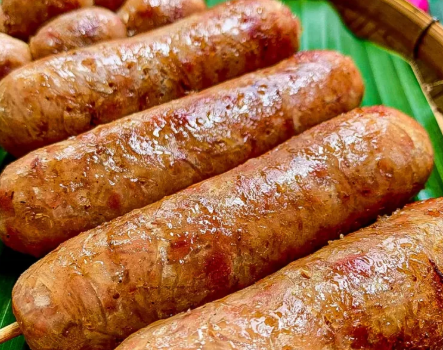
When it comes to street food in Thailand, Isaan sausages are a standout favorite of mine. Whether you’re in Bangkok or the northeastern provinces, these sausages are a convenient and delicious snack that’s easy to enjoy on the go. The distinct flavors and unique preparation methods of Isaan sausages make them an unforgettable part of Thai cuisine. While the basic ingredients are similar, there are many regional variations that make each version worth trying.

What Exactly is an Isaan Sausage?

Isaan sausages, known as Saigrok Isaan in Thai, are typically made from fermented pork, garlic, and sticky rice. The fermentation process imparts a sour taste, balanced by the savory, sometimes slightly sweet, flavor of the sausage itself. The sausages are often stuffed tightly into casings, making them plump and juicy, and they’re usually served with fresh accompaniments like whole green chilies, thin slices of ginger, and shredded cabbage. This combination of savory, spicy, and sour flavors creates an explosion of taste that is quintessentially Thai.

While this is the most common version found in places like Bangkok, there are several regional variations that offer different twists on the classic Isaan sausage.

Smaller, Rounder Versions

In some parts of Isaan, you’ll encounter smaller, rounder sausages that are similar to the traditional plump ones but in bite-sized portions. These sausages are often cooked on skewers over charcoal, giving them that irresistible smoky flavor. Once grilled, the sausages are typically served in a small bag with chili sauce and pickled ginger, offering a slightly different twist compared to the typical street-side Isaan sausage. While the core flavors remain the same, the accompanying condiments add a unique touch to each variation.

Naem Sausage: Fermented and Versatile

Another variation of Isaan sausage is Naem, made from minced pork and sticky rice. Unlike the regular Isaan sausages, Naem undergoes a fermentation process lasting about two days, which gives it a much more pronounced sour flavor. While Naem is commonly used as an ingredient in other dishes, like the spicy and sour Yum Naem Khao Thot (a salad made with crispy fried rice balls), it can also be found as street food, skewered and grilled over charcoal. Naem is more commonly known in northern Thailand as part of Lanna cuisine, but it’s also loved in Isaan, where its tangy taste and versatility shine through.

Mum Sausage: A Rare Gem

For something truly unique, the Mum sausage is a must-try. While it’s not as commonly found as other Isaan sausages, it’s a specialty in certain regions, particularly along rural roads between Khon Kaen and Chaiyaphum. Mum sausages are made from pork or beef, often with a more intense sour flavor than regular Isaan sausages. They are drier and crumblier, with a texture similar to the Sai Oua sausages of northern Thailand. Mum sausages are less juicy but have a delightful garlic flavor that sets them apart. Fun fact: the famous Thai actor Mum Jokmok was named after this particular sausage!

Moo Yor: A Northern Thai Twist

Though not exclusive to Isaan, Moo Yor is a sausage found across the region and is more commonly associated with northern Thailand. Resembling the Vietnamese Chả lụa, Moo Yor is a steamed or boiled pork sausage with a firm, white texture. It’s typically used in Thai salads like Som Tam or Yum Moo Yor, a spicy salad made with Moo Yor, chilies, lime, fish sauce, and cilantro. Though Moo Yor may not be as bold in flavor on its own, it pairs perfectly with the fiery heat of Thai salads, adding a mild and refreshing balance to the dish.

A Delicious Journey Through Isaan Sausages

The variety of sausages found in Isaan reflects the rich diversity of Thai cuisine. From the smoky, flavorful Saigrok Isaan to the tangy Naem and dry, garlicky Mum, each sausage offers a unique flavor experience. These sausages are not only a reflection of Isaan’s culinary traditions but also a part of the vibrant street food culture that has made Thai food famous worldwide.

Whether you’re strolling through the streets of Bangkok or venturing to the more rural parts of Isaan, these sausages are a tasty, authentic way to experience the heart of Thai street food. Don’t miss out on trying each regional variation, as they all have something special to offer.
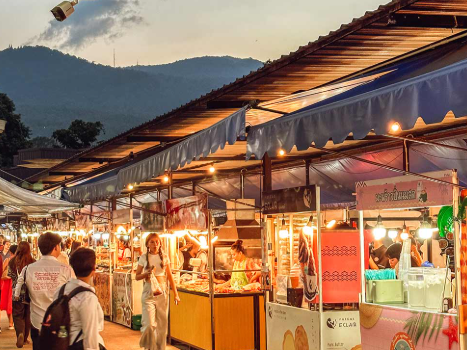
Whenever I move to a new city, my first mission is always to explore the local food scene. This time, I did just that during our recent stay in Chiang Mai’s Nimman area. Over the course of a month, we made it a point to dine out daily, enjoying a variety of foods while embracing the vibrant atmosphere. Chiang Mai is surprisingly affordable when it comes to eating, and much of the food we indulged in cost less than 200 Baht per meal. With that said, here are some of the top restaurants and food spots in Nimman that stood out to us.

Best Northern Noodles: Khao Soi Mae Sai

Address: Ratchaphuek Alley, opposite Huaykaew Road
Khao Soi Mae Sai is a favorite spot for northern Thai noodle soups. While there are plenty of places to enjoy Khao Soi and Kanom Jeen Nam Ngiaw around Chiang Mai, this particular shophouse is known for serving some of the best in a relaxed, established setting. It’s a bit outside the Nimman area, but still within walking distance. If you’re looking to stay closer to Nimman, Khao Soi Nimman (on Nimmanhemin Soi 7) is a convenient alternative.

Best Lanna Cuisine: Tong Tem Toh

Address: 11 Nimmanhemin Road, Soi 13
Lanna food can often be found at local markets, but one of the best spots in Nimman for this northern Thai cuisine is Tong Tem Toh. Known for serving traditional khantoke sets, this restaurant offers iconic dishes like Sai Oua sausage (Chiang Mai sausage), Nam Prik Noom (a green chili dip), and Nam Prik Ong (a minced pork and tomato-based dip). These are paired with boiled vegetables, crispy pork scratchings, and rich pork curries like Kaeng Hang Ley. It’s an authentic, satisfying experience for anyone craving Lanna flavors.

Best Isaan Food: So Lao

Address: 43 Siri Mungkalacharn, opposite Nimman soi 7
When it comes to Isaan food, So Lao is a standout. Specializing in bold and flavorful salads, like Som Tam (papaya salad), Laab (spicy minced meat salad), and Namtok Moo (grilled pork neck salad), this place is a must for anyone who loves Isaan cuisine. The authenticity of the flavors and the straightforward, no-frills menu make it a go-to spot for anyone seeking an authentic Isaan meal.

Best Coffee Shop: Ristr8to Lab

Address: 14 Nimmanhaemin Rd, Soi 3
Even though I’m not the biggest coffee fan, I couldn’t help but appreciate Ristr8to Lab, a popular spot among Chiang Mai’s coffee aficionados. Known for its specialty brewing techniques, this coffee shop has become a local favorite. They offer a wide variety of drinks, from strong Macchiattos to more creative concoctions like Black Martinis and Shaken Irish Coffees. Whether you’re a coffee enthusiast or just looking for a place to relax, Ristr8to Lab is the perfect place to enjoy a delicious cup.

Best Dessert Café: iBerry Gardens

Address: Nimmanhaemin Road, Soi 17
Though I’m not one for sweet treats, iBerry Gardens is a must-visit if you’re in the mood for a quirky dessert experience. With a fun and whimsical atmosphere, it’s perfect for those looking to take a selfie with some adorable decor. The star of the show here is the Korean Bingsu, a large shaved ice dessert, which is perfect for satisfying your sweet tooth. It’s especially popular among visitors from Korea and China.

Best Burger: Beast Burger

Address: 14 Nimmanhemin Soi 17
Beast Burger started as a food truck but quickly grew into a full-scale establishment due to its popularity. Known for its delicious and simple menu, Beast Burger serves up mouthwatering burgers like the Beast Burger, Blue Cheese Burger, and Pulled Pork Sandwich. Each burger is served with a side of paprika-flavored fries or other variations, such as waffle fries or cheesy fries. It’s the perfect spot for anyone craving a hearty, delicious burger.

Best Japanese Curry: Mu’s Katsu

Address: Nimmana Haeminda Rd, Soi 8 (Opposite Soi 13)
For a rich and satisfying Japanese curry, look no further than Mu’s Katsu. While the focus is on Katsu pork cutlets, the menu also features comforting curry dishes that pair perfectly with the crispy cutlets. The flavors here are more intense than what you might find elsewhere, and the combination of curry, omelette, and cheese is absolutely delicious. If you’re in the mood for a classic Japanese curry, Mu’s Katsu won’t disappoint.

Best Ramen: Ninja Ramen

Address: 19 Sirimangkalajarn Rd, near Huaykaew Road
When it comes to ramen in Chiang Mai, Ninja Ramen offers a no-fuss option that’s hard to beat. Known for its Tonkotsu pork broth and hearty portions, this place serves up delicious bowls of ramen at affordable prices. While they offer a variety of broths, the Tonkotsu is a standout, and the wide range of options on the menu makes it easy to find something that suits your taste.

Best Rooftop Bar: Myst at Maya

Address: 55 Huay Kaew Rd
For stunning views of Nimman and Doi Suthep, head to Myst, a rooftop bar at Maya Mall. Located on the top floors, this bar offers a great atmosphere and beautiful views, making it the perfect spot for a romantic evening. The prices here are reasonable, especially when compared to similar rooftop experiences in Bangkok, and they offer a range of delicious cocktails to enjoy while you take in the breathtaking scenery.

Best Beer Bar: Beer Lab

Address: Nimmanhaemin Road, near Nimman Soi 12
If you’re a beer lover, Beer Lab is the place to be. With over 200 beers and ciders to choose from, including favorites like BrewDog Punk IPA and Hoegaarden, it’s a beer enthusiast’s paradise. They also have a fascinating cocktail menu for those who aren’t into beer, and the variety of flavors makes it fun to experiment. The bar is a bit pricier compared to other spots in the area, but it’s definitely the best beer bar in Nimman.

Best Booze Food: Funky Grill Mala Kebabs

Address: 199/4 Huaykaew Rd
For a late-night bite, Funky Grill serves up Mala Kebabs that are absolutely delicious. These skewers, coated in a mix of chili flakes, cumin, and Sichuan peppercorns, provide a delightful face-numbing sensation, and they’re perfect for pairing with a cold drink. The kebabs are grilled over flaming charcoal and are available in a variety of meats, making them a perfect snack for anyone craving some late-night street food.

Best Health Food: The Salad Concept

Address: Nimmanhaemin Road, Soi 13
Despite the misleading name, The Salad Concept isn’t just about salads. The menu includes a variety of pastas, pizzas, and sandwiches, and they offer build-your-own options for wraps and bowls. While it’s not a place for heavy indulgence, the fresh ingredients and tasty dressings make it a solid choice for a lighter, healthier meal.

Best Roast Chicken: Cherng Doi Roast Chicken

Address: Top of Soi Sukasem (Between Nimman 2 & 4)
If you’re a fan of Isaan food, Cherng Doi is a great spot to enjoy grilled chicken, known locally as Kai Yang. Though the chicken doesn’t quite rival the grilled pork neck, it’s still delicious, especially when paired with a spicy Yum Kai Yang (grilled chicken salad) or the rich Tom Saap (pork bone soup). Cherng Doi is popular with locals and visitors alike, and its quality makes it a must-try.

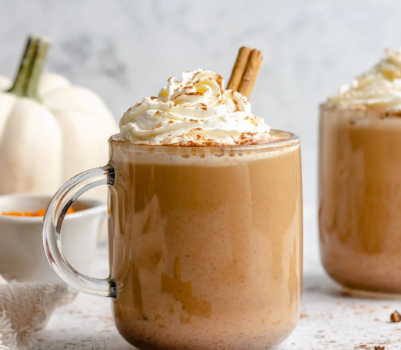
With the crisp air of fall comes the irresistible appeal of the Pumpkin Spice Latte (PSL). If you’re craving this seasonal favorite but prefer to skip the long lines at Starbucks, why not try making it at home? It’s easier, more affordable, and you can control the ingredients for a healthier version. Here’s a foolproof recipe that brings the warmth of fall to your kitchen in no time.

What Makes the Perfect Pumpkin Spice Latte?

A Pumpkin Spice Latte is a combination of coffee, creamy milk, and a spiced pumpkin syrup, creating a comforting drink that’s perfect for chilly mornings. While Starbucks popularized this fall beverage, making it at home allows you to use real, natural ingredients, avoiding the artificial syrups and excess sugar found in the store-bought version.

The basic elements of a Pumpkin Spice Latte include:

  • Espresso: The strong base of the drink. You can easily make espresso at home using a moka pot or an espresso machine.
  • Milk: Frothy, creamy milk is key to achieving that luxurious texture. If you don’t have a milk frother, an immersion blender will work just fine.
  • Pumpkin Spice Syrup: This homemade syrup, made from pumpkin, spices, and sugar, is what gives the latte its signature flavor.

The beauty of making this drink at home is that you can adjust the sweetness and spice levels to suit your taste.

Ingredients for 4 Servings

  • 2 cinnamon sticks
  • 600 grams of white sugar
  • 500 ml cold water
  • 1/4 teaspoon cinnamon powder
  • 1/4 teaspoon ginger powder
  • 1/4 teaspoon nutmeg
  • 4 tablespoons pumpkin puree
  • 600 ml whole milk
  • 300 ml strong brewed coffee or espresso
  • Whipped cream (optional)

Instructions

  1. Make the Pumpkin Syrup: In a saucepan, combine the sugar and water, heating over medium-low heat until the sugar dissolves. Add the cinnamon sticks, ground spices, and pumpkin puree. Stir continuously for about 5 minutes to allow the flavors to meld together. Remove from heat and store the syrup in a sealed jar. You can refrigerate it for up to a month or use it immediately.
  2. Prepare the Latte: Heat the milk on the stove, bringing it just below boiling. In a large mug, pour 2 tablespoons of the homemade pumpkin syrup. Brew your coffee or espresso and pour it into the mug with the syrup.
  3. Froth the Milk: Using a milk frother or immersion blender, froth the milk until it’s thick and creamy. Pour the frothed milk into the mug with the coffee and syrup mixture. Stir well.
  4. Finish and Serve: Top with whipped cream if desired, and enjoy your homemade PSL!

Tips for the Perfect Pumpkin Spice Latte

  • Adjust the sweetness: The amount of sugar in the syrup can be adjusted to your taste. If you prefer a lighter version, reduce the sugar or use a sugar substitute.
  • Milk options: While whole milk provides the best texture, you can use almond, oat, or coconut milk for a dairy-free version.
  • Skip the foam: If you don’t have a frother or blender, you can enjoy your latte without foam, though whipped cream can be a great alternative.
  • Storage: The homemade syrup lasts for about a month in the fridge, so you can easily make it in bulk and have it on hand for future lattes.

Why Is the Pumpkin Spice Latte So Popular?

The Pumpkin Spice Latte has become a beloved fall tradition, and it’s easy to see why. For many, the flavor of pumpkin, cinnamon, and nutmeg evokes nostalgia and warmth, making it the perfect companion to chilly fall mornings. The seasonal nature of the drink adds to its appeal—its limited availability makes it something special, a treat to be enjoyed before it’s gone for another year.

For many Americans, pumpkin spice flavors are linked to the cozy feelings of Thanksgiving and the fall harvest. This deep-rooted association with family gatherings and tradition helps elevate the PSL into more than just a drink—it’s an experience.

Starbucks Pumpkin Spice Latte vs. Homemade Version

Starbucks’ version of the PSL contains a lot of sugar—38 grams in a 12-ounce cup! While it’s undeniably delicious, the homemade version lets you control how much sweetness is added. Plus, by making your own pumpkin syrup, you avoid the artificial additives and preservatives that often accompany mass-produced syrups.

Starbucks’ version is made with a blend of spices, pumpkin puree, and sugar, combined with espresso and steamed milk, topped with whipped cream. But with just a few simple ingredients, you can replicate the flavor at home without the extra calories and costs.

Can You Make the Pumpkin Spice Latte Lighter?

Absolutely! You can reduce the sugar content in the homemade syrup, use skim milk or a dairy-free alternative, and even skip the whipped cream to make a lighter version of the PSL. If you want to reduce the calories even further, use a sugar substitute instead of regular sugar.

Frequently Asked Questions

  1. Can you buy Starbucks Pumpkin Spice Syrup?
    Unfortunately, Starbucks doesn’t sell its syrup, but you can find similar products like Pumpkin Spice Flavored Creamers or mixes that allow you to recreate the PSL at home.
  2. What’s in a Starbucks Pumpkin Spice Latte?
    The drink is made with espresso, steamed milk, pumpkin puree, cinnamon, nutmeg, and cloves. It’s sweetened with sugar and topped with whipped cream.
  3. How can I make my PSL lighter?
    Simply use less sugar in the homemade syrup, opt for skim milk or a non-dairy alternative, and skip the whipped cream.
  4. When will the Pumpkin Spice Latte be available at Starbucks?
    Typically, Starbucks releases their PSL in late August or early September. For 2025, you can expect it to arrive around August 30th.
  5. Does the Pumpkin Spice Latte taste good?
    The PSL offers a sweet and mildly spiced flavor with notes of cinnamon, ginger, and pumpkin. If you love fall spices, you’ll likely enjoy it!

Conclusion

Making a Pumpkin Spice Latte at home is a fun and satisfying way to indulge in this seasonal favorite. It’s simple, cost-effective, and customizable to suit your preferences. Skip the coffee shop lines and enjoy the comforting warmth of a homemade PSL any time the mood strikes!

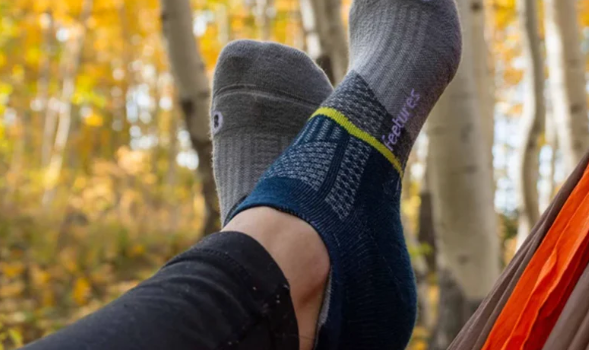
Choosing the right pair of socks is crucial for any outdoor activity, whether you’re hiking or running. The best socks should be comfortable, help prevent blisters, and wick moisture away from your feet. Merino wool has become the top choice for outdoor enthusiasts, thanks to its numerous benefits. Once known for being scratchy and overly warm, merino wool now dominates the hiking and running sock market due to its impressive performance.

With so many new sock brands and options available, it can be difficult to know which ones stand out. Here, I’ll share my top picks for merino wool socks, but before diving into my favorites, let’s explore why merino wool is the ideal material for outdoor socks.

Why Choose Merino Wool for Socks?

Merino wool has earned its place as the go-to fabric for hiking socks. Here’s why:

  • Temperature Regulation: Merino wool is excellent at keeping you warm in colder conditions, while also releasing excess heat when the weather warms up. This is thanks to the natural crimp in the wool fibers, which helps maintain an ideal temperature.
  • Moisture-Wicking: Merino wool excels at wicking moisture away from your skin, keeping your feet dry. It can absorb up to 30% of its weight in water without feeling wet, which significantly reduces the risk of blisters.
  • Odor Resistance: Merino wool is naturally antimicrobial, which helps to prevent the buildup of bacteria that causes odors. Even after a long day of hiking, you won’t have to deal with the unpleasant foot odor that often comes with synthetic socks.

Pure Merino vs. Synthetic Blends

While many merino wool socks are made from a blend of merino and synthetic fibers, pure merino wool socks do exist. However, merino alone doesn’t offer the durability or stretch that’s needed for a good sock fit. Synthetic fibers like nylon or spandex are added to improve durability, flexibility, and comfort. Depending on the blend, socks will vary in stretch and durability.

There’s no perfect ratio, but socks with a higher percentage of synthetic materials tend to be more durable and stretchy. That being said, all the socks in this list strike a good balance between merino and synthetic fibers.

How I Choose the Best Merino Wool Socks

After years of testing various merino wool socks for hiking and everyday wear, I’ve narrowed down the key factors that make a great sock. For me, moisture-wicking ability is the most important factor. A sock that keeps my feet dry helps to prevent blisters and provides comfort. Comfort and fit come next, followed by durability. Breathability can be a bonus, but a sock that’s too breathable (i.e., too thin) might leave your feet feeling damp. Ultimately, the best sock for any given situation depends on the activity, but I prioritize wicking, comfort, and durability.

Top 5 Merino Wool Socks for Hiking and Running

Here are my top five picks for merino wool socks based on comfort, durability, and performance.

  1. Darn Tough Hiker 1/4 Sock Cushion
    • Wool Blend: 61% Merino, 37% Nylon, 2% Lycra Spandex
    • Weight: Midweight
    • Made in: Vermont, USA
    • Price: $17.95
    Darn Tough is my go-to brand. These socks are incredibly comfortable and durable, making them perfect for long hikes. They offer just the right balance of cushioning without being too thick. The best part? They’re almost entirely odor-free, even after multiple days of wear. I’ve had my pairs for years, and they’re still going strong.
  2. Farm to Feet Damascus Lightweight Elite 1/4 Crew
    • Wool Blend: 51% Merino, 45% Nylon, 4% Spandex
    • Weight: Lightweight
    • Made in: 100% USA
    • Price: $20.00
    These socks are great for running or high-intensity activities. They feature a technical design with areas of cushioning and ventilation for added comfort. While they aren’t as odor-resistant as Darn Tough socks, they still perform well and come with a lifetime guarantee, making them a solid investment.
  3. Icebreaker Hike+ Light Cushion Mini Sock
    • Wool Blend: 63% Merino, 35% Nylon, 2% Lycra Elastane
    • Weight: Lightweight
    • Made in: China (with wool from New Zealand, Australia, and South Africa)
    • Price: $20.00 per pair
    Icebreaker socks offer an excellent fit and high comfort, thanks to their well-designed cushion placement and seamless toes. While they’re slightly less soft than Darn Tough or Farm to Feet socks, they excel in durability and breathability, making them perfect for short, intense hikes.
  4. Smartwool PhD Pro Approach Crew
    • Wool Blend: 62% Merino, 36% Nylon, 2% Elastane
    • Weight: Lightweight
    • Made in: USA (with imported wool)
    • Price: $27.95
    Smartwool has improved its durability significantly in recent years. These socks are lightweight and provide excellent support for both hiking and running. While they’re not as soft as some other brands, their technical design makes them ideal for those who prefer a more performance-oriented sock.
  5. Kirkland Signature Wool Crew Sock
    • Wool Blend: 72% Merino, 27% Nylon, 1% Spandex
    • Weight: Midweight-heavyweight
    • Made in: USA (with imported wool)
    • Price: $18.99 for 6 pairs
    If you’re looking for an affordable option, Kirkland Signature wool socks are hard to beat. While they aren’t as breathable as the others and tend to be a bit warmer, they perform well in cooler weather. These socks are a great choice for anyone on a budget who still wants the benefits of merino wool.

Conclusion

Merino wool socks offer unbeatable comfort and performance for hiking, running, and other outdoor activities. While the options are plentiful, choosing the right pair depends on your needs, such as moisture-wicking, fit, and durability. Whether you’re hiking in hot conditions or battling cold weather, a good pair of merino wool socks will ensure your feet stay dry, comfortable, and odor-free throughout your adventure.

Bogota, Colombia, is a dynamic city that offers a unique blend of history, culture, and modern vibrancy. From rich art scenes to scenic views, it’s a place full of life and charm. If you’re wondering whether it’s worth your time, the answer is a resounding yes! During my stay, I ended up staying longer than expected and found so many hidden gems to enjoy. Whether you’re here for a short visit or a longer stay, here are the best things to do in Bogota.

1. Take in the Views from Cerro de Monserrate

For the best panoramic view of the city, take a trip up to Cerro de Monserrate. You can either hike up or take the funicular or cable car to the top. The stunning vistas of the city below are especially breathtaking at sunset when the lights start flickering on, giving you a magnificent view of the sprawling city.

The hike itself is about 1.5 hours and can be steep, so make sure you bring water and wear comfortable shoes. The entrance is free for the hike, but taking the funicular or cable car costs around 21,000 COP ($6.50 USD).

2. Explore Chapinero’s Trendy Vibe

Chapinero offers a glimpse into a more modern side of Bogota. It’s known for its upscale dining options, trendy bars, and vibrant cafes. Head to Azahar Coffee for a coffee fix or explore the area’s diverse selection of international cuisines. If you’re looking for a change from the touristy spots, Chapinero is perfect for spending the day.

3. Visit Laguna Guatavita

A short drive from Bogota, Laguna Guatavita is a historically significant lake linked to the legend of El Dorado. The area is beautiful and serene, and it’s an excellent day trip from the city. The entry fee is 17,200 COP ($5.30 USD) and includes a guided tour. You’ll learn about the fascinating history and culture behind this mystical lake.

4. Join a Free Walking Tour in Candelaria

The Candelaria district is full of history, and a free walking tour is one of the best ways to explore it. The tours depart daily from the Gold Museum and offer great insights into the city’s past and present. They also offer specialized tours like the Graffiti Tour, giving you a deeper understanding of Bogota’s art scene.

5. Discover the Emerald Trade Center

Did you know Colombia is the world’s largest producer of emeralds? The Emerald Trade Center is the place to visit if you’re interested in buying emeralds or simply learning more about the stone. From affordable pieces to rare gems worth thousands of dollars, this is a must-see spot for gem enthusiasts.

6. Marvel at the Art at Museo Botero

Fernando Botero’s art is everywhere in Colombia, and his museum in Bogota is an essential stop. Botero’s distinctive art, known for exaggerated proportions, is fascinating and engaging. Located at Calle 11 #4-41, entry is free, and it’s a great place to appreciate both the artist’s work and the historical building housing it.

7. Sip on Chicha, a Traditional Colombian Drink

If you’re curious about local drinks, try Chicha, a traditional fermented beverage made from corn. While the history of its creation may sound a bit unusual (it was originally fermented using saliva), it’s now made differently and enjoyed by locals and visitors alike. You can find Chicha at Casa Galeria in Candelaria, a great spot for trying Colombian delicacies.

8. Catch a Show at Teatro Colón

For a taste of Bogota’s cultural scene, check out a performance at Teatro Colón. This beautiful theater hosts various performances, and tickets start around 20,000 COP ($5 USD). Even if you’re not in the mood for a show, the building itself is worth a visit for its architecture.

9. Wander Through Callejón del Embudo

Callejón del Embudo is one of the most Instagram-worthy streets in Bogota, full of narrow cobbled paths, colorful graffiti, and charming cafes. It’s a great spot for a leisurely stroll or to snap some photos of the vibrant street art.

10. Visit Museo del Oro (Gold Museum)

Bogota’s Gold Museum, one of the most visited attractions in the city, is a must-see. It’s home to over 6,000 pieces of gold and is a deep dive into Colombia’s indigenous cultures. The museum is free on Sundays, so it’s worth timing your visit around that. You can easily spend a couple of hours here, and a guided tour will make the experience even more insightful.

11. Try the Traditional Colombian Soup at Restaurante Puerta de la Catedral

For a taste of traditional Colombian cuisine, head to Restaurante Puerta de la Catedral. Try Ajiaco Santafereño, a hearty soup made with three types of potatoes, corn, chicken, and guascas (a local herb). It’s a comforting dish and a perfect reflection of Colombia’s food culture.

12. Shop for Fresh Produce at Mercado de Paloquemao

If you love exploring local markets, Mercado de Paloquemao is the place to go. It’s not just about fruit and vegetables; the market is a fantastic place to discover Colombian delicacies, try new flavors, and engage with the friendly vendors. It’s a vibrant, local experience and perfect for those wanting to take home something unique.

Safety Tips for Visiting Bogota

While Bogota has a reputation for being a city that’s historically struggled with crime, it’s now much safer for tourists. Still, it’s important to remain cautious. Follow the “Don’t give papaya” rule, which basically means avoid putting yourself in vulnerable situations. Don’t display valuables in public and always be aware of your surroundings.

For added peace of mind, I suggest using Uber or taxis if you’re traveling late, as public transport can be a bit tricky after dark.

Conclusion

Bogota is an exciting destination that offers an intriguing mix of culture, history, and modern flair. Whether you’re visiting museums, hiking to stunning viewpoints, or tasting local flavors, the city has something for every kind of traveler. The vibrant atmosphere, combined with the rich history and culture, makes Bogota one of South America’s most underrated capitals.

Winter in Europe is nothing short of magical. Whether you’re drawn to the charm of Christmas markets, the thrill of winter sports, or the serene beauty of snow-covered landscapes, Europe offers a wide array of experiences during the colder months. From twinkling lights to historic streets dusted with snow, here are 10 of the best European destinations to visit during winter.

1. Paris, France

Paris is enchanting during the winter, with Christmas markets scattered across the city and streets adorned in festive lights. The cold weather is perfect for enjoying a warm cup of hot chocolate while exploring the holiday stalls. Don’t forget to take a stroll along the Seine River or visit the city’s famous museums and landmarks, all while cozying up in one of Paris’ many inviting cafes.

2. Vienna, Austria

Vienna is an ideal winter destination, with its elaborate Christmas markets, festive decorations, and cultural experiences. You can enjoy a concert at the renowned Vienna Opera House or visit the Schönbrunn Palace. The city’s cafes, famous for their pastries and coffee, are perfect for warming up after a day of sightseeing.

3. Copenhagen, Denmark

Copenhagen offers a cozy winter escape with its quaint Christmas markets, charming parks, and bike-friendly streets. While the markets may be smaller than some other European destinations, their festive atmosphere makes them worthwhile. Enjoy a leisurely cruise around the harbor or indulge in the city’s local cuisine, all while soaking up Copenhagen’s winter charm.

4. Amsterdam, Netherlands

Amsterdam transforms into a winter wonderland with ice skating on its canals and festive markets dotting the city. In addition to the holiday fun, Amsterdam offers a range of activities such as museum visits, shopping, and dining at cozy cafes. Its unique charm shines through during the winter, making it a delightful city to explore.

5. Berlin, Germany

Berlin is full of holiday cheer during the winter months. The city’s Christmas markets are famous for their festive stalls, delicious food, and handmade gifts. Don’t miss the Charlottenburg Palace Christmas market or the one at Alexanderplatz. For some outdoor fun, try ice skating at one of the city’s popular rinks or enjoy a peaceful walk through the Tiergarten park. Berlin’s museums, such as the Pergamon Museum, are perfect for those cold days.

6. Istanbul, Turkey

Istanbul offers a blend of history, culture, and winter charm. The Hagia Sophia and Sultan Ahmed Mosque are stunning in the winter light, while the Grand Bazaar offers a warm and festive atmosphere. While it may not be known for snowy winter landscapes, Istanbul’s rich culture and winter ambiance make it a unique destination during the colder months.

7. Prague, Czech Republic

Prague looks stunning in winter, with its historic streets and buildings dusted in snow. The Christmas markets here are not to be missed, offering a perfect blend of holiday spirit and local charm. With fewer crowds in the winter, it’s a peaceful time to explore the city’s beautiful architecture and historic landmarks.

8. Bruges, Belgium

Bruges is a picture-perfect winter destination, especially with its cobblestone streets and charming canals. The Christmas markets are a highlight, offering delightful gifts, festive food, and drinks. You can also enjoy a horse-drawn carriage ride through the city or try ice skating on the square. Bruges’ medieval architecture is beautifully enhanced by the winter season, making it a romantic and picturesque destination.

9. Salzburg, Austria

Salzburg, known for its baroque architecture and Alpine surroundings, is magical in the winter. The Hohensalzburg Fortress offers panoramic views of the snowy city, and the Dom Cathedral is breathtaking. Salzburg’s Christmas markets are a must-see, where you can shop for traditional goods and enjoy festive food. The city, covered in a blanket of snow, offers a truly wintery experience.

10. Edinburgh, Scotland

Edinburgh is a wonderful winter destination with its festive Christmas markets and cozy atmosphere. Visit the markets for local crafts, food, and warm drinks. Edinburgh also offers historical sites to explore, and a horse-drawn carriage ride through the snow-covered streets is a romantic way to enjoy the city. If you’re there for New Year’s Eve, don’t miss the spectacular fireworks show that marks the beginning of the new year.

Conclusion

Winter in Europe brings with it a sense of magic and adventure, with Christmas markets, historic streets, and snow-capped landscapes creating unforgettable experiences. Whether you’re looking to embrace the holiday cheer, explore snowy landscapes, or indulge in winter sports, these 10 destinations offer something special for everyone. Make sure to add a European winter trip to your travel bucket list—you won’t regret it!

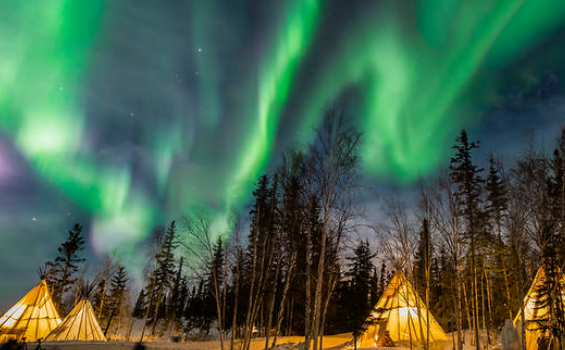
The Northern Lights, also known as the Aurora Borealis, are one of nature’s most stunning spectacles. They’re often described as a bucket-list experience, where you can stand under the shimmering lights and feel the magic of the universe. But where is the best place to catch this awe-inspiring show? From the wild landscapes of Iceland to the remote regions of Canada, there are several destinations where the Northern Lights put on their most spectacular displays.

Here are the six best places to see the Northern Lights:

1. Ivalo, Finland
Ivalo, a small village nestled in Finland’s Lapland region, offers one of the best chances to witness the Northern Lights. The village is located near Lake Inari, surrounded by breathtaking Arctic landscapes. Ivalo is known for its peaceful atmosphere, making it a perfect spot for a tranquil Northern Lights experience. The best time to visit is between late September and mid-April, when the sky is clear and dark enough to see the lights. Since the Northern Lights can be unpredictable, it’s best to stay for at least a week to maximize your chances of seeing them. Many visitors also enjoy the local outdoor activities, such as skiing and husky sledding.

2. Abisko, Sweden
Abisko, located in Sweden’s Lapland region, is renowned for its consistent clear skies, making it one of the top destinations for Northern Lights enthusiasts. The village is home to the famous Aurora Sky Station, which offers stunning panoramic views of the lights. Here, you can take a chairlift through the serene wilderness, a unique experience that allows you to immerse yourself in the natural beauty of the area. Abisko is a great location for winter activities like cross-country skiing and snowshoeing, but its primary draw remains the dazzling Northern Lights that light up the night sky from September to April.

3. Tromsø, Norway
Tromsø, located in Norway’s Arctic Circle, is another fantastic place to see the Northern Lights. As one of the largest cities in Northern Norway, it offers both urban charm and easy access to remote wilderness areas, ideal for chasing the aurora. From September to early April, Tromsø’s dark nights provide the perfect backdrop for the Northern Lights, and there are plenty of tours that take you out of the city to the best viewing spots. Beyond the auroras, Tromsø boasts a rich cultural scene, with museums, galleries, and even an Arctic-themed library to explore.

4. Svalbard, Norway
For a truly unique Northern Lights experience, head to Svalbard, a remote archipelago in the Arctic Ocean. This place offers the extraordinary phenomenon of “daytime Northern Lights” during the darkest months of December and January, when the sun doesn’t rise above the horizon. Svalbard’s vast, untouched landscapes provide a dramatic setting for the aurora. Here, you can enjoy activities like dog sledding, snowmobiling, and snowshoeing while marveling at the dazzling light displays. The sheer isolation and rugged beauty of Svalbard make it a once-in-a-lifetime destination for those seeking adventure and solitude.

5. Yellowknife, Canada
Yellowknife, the capital of Canada’s Northwest Territories, is renowned for its crystal-clear skies and long Northern Lights season. The aurora is visible here around 240 nights each year, making it one of the best spots in the world to witness the phenomenon. The city is far from any major light pollution, which ensures unobstructed views of the night sky. Visitors can take part in guided tours that lead them to the best viewing locations, and Indigenous-led tours offer a deeper connection to the area’s rich cultural heritage. Yellowknife also provides a cozy base for exploring the surrounding wilderness, with opportunities for winter sports and wildlife watching.

6. Greenland
Greenland, with its dramatic landscapes and sparse population, offers a peaceful escape for those looking to see the Northern Lights. The best time to visit is during the winter months, from late September to March, when the auroras are most active. Kangerlussuaq, located inland, has over 300 clear nights per year, making it a top destination for aurora watchers. In addition to the Northern Lights, visitors can explore Greenland’s vast ice sheets, go dog sledding, and visit the picturesque town of Sisimiut. Greenland’s pristine wilderness and unique culture make it an unforgettable destination for adventure seekers.

Witnessing the Northern Lights is an unforgettable experience, and these destinations offer the best opportunities to see this natural wonder. Whether you’re trekking through the Arctic wilderness or relaxing in a remote cabin, the Northern Lights will leave you in awe of the beauty of our planet. So pack your bags, head to one of these magical locations, and let nature’s light show captivate you.

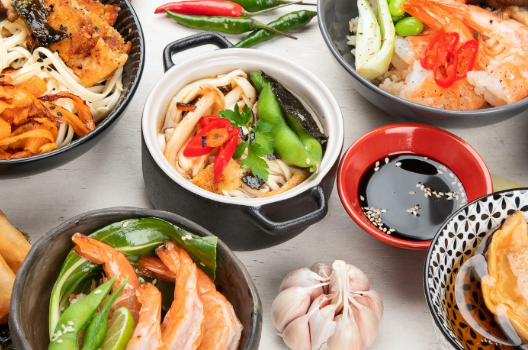
Having spent over a decade traveling across Asia, and now living in Thailand, I’ve come to realize that what initially drew me to this region—its sunny weather and stunning landscapes—pales in comparison to the food. The culinary experiences here are among the best in the world, and the best part? They come at ridiculously low prices. While everyone has their own favorites, here are the five food experiences in Asia I simply can’t live without.

1. Isaan Cuisine (Thailand)

Forget the usual Thai dishes like Green Curry and Pad Thai, because Thai food offers so much more. Among the top favorites for me is Isaan cuisine, which hails from the northeastern region of Thailand. Isaan food is all about bold flavors—grilled meats, spicy dips, vibrant salads, and sour soups. While not as globally recognized as other Thai dishes, Isaan food can be found in Bangkok, particularly at the roadside barbecues that spring up at night. These places are perfect for grabbing a beer, devouring smoky grilled meats, and sweating it out in the hot, spicy heat. My personal favorite here is Laab Moo, a spicy minced pork salad that acts as the perfect introduction to the world of Isaan cuisine. When I lived in Bangkok, these late-night barbecues were by far my best foodie experiences.

2. Mamak / Indian Cuisine (Malaysia and Singapore)

Indian food is one of my all-time favorites, but I find traveling in India a bit overwhelming. So, instead, I opt for the next best thing—the Indian influence throughout Malaysia and Singapore. The Indian food here is deeply authentic and, best of all, incredibly affordable. Whether it’s the famous tandoori chicken, delicious biryanis, or flatbreads like roti and naan, the food here is hard to beat. My pick for the most iconic dish in this region would be Fish Head Curry, a unique fusion of Indian and Chinese culinary cultures. Originally created by an Indian chef who added fish head to his curry in an effort to cater to Chinese customers, this dish is worth seeking out, and it perfectly embodies the diverse food culture of the region.

3. Street Food (Asia)

Street food in Asia deserves a mention of its own. The vibrant and diverse street food scene is a food lover’s dream—cheap, authentic, and incredibly tasty. While some people might worry about hygiene, I’ve found that street food is often safer than people think. I’ve been eating from street food carts almost every day for the past four years without any issues. The key is that most of the risks often come from water contamination, not the food itself. Seeing food being cooked fresh in front of you adds to the experience, and there’s nothing quite like devouring local delicacies from a bustling street corner. From the buzzing markets in Bangkok to food stalls in Ho Chi Minh City, street food has become one of the main reasons I can’t bear to leave Asia.

4. Local Liquors (Back Alleys and Street Corners)

One of the best ways to immerse yourself in local culture is through drinks, and in Asia, that often means local spirits. I first discovered this in Bangkok, where I earned some local cred by regularly drinking Yaa Dong, a potent street liquor favored by motorbike taxis and manual laborers. Since then, I’ve had similar experiences across Asia, from sipping Toddy in Myanmar to tasting Arak in Sri Lanka and Lao-Lao in Laos. Whether you’re sitting roadside with locals, sharing a drink, or just observing the unique customs around drinking, local liquors are a fun, affordable way to experience a region. Plus, it doesn’t hurt that they’re incredibly cheap—often only a dollar or two for a shot.

5. Noodles (China)

Growing up in Southeast Asia, noodle soups never really appealed to me, especially when there were heartier options available. But my trip to China completely changed that perspective. Chinese noodles are a whole different ball game. The chewy texture of the noodles, paired with rich, savory broths, makes for a deeply satisfying meal. What makes Chinese noodle dishes stand out are the unique broths, often spiced with Sichuan peppercorns that deliver a hot, numbing sensation. On top of that, noodle dishes in China often come with an array of toppings like sausage or even chicken drumsticks. For me, it’s about the variety—the different broths, the addictive pickled long beans, and the unique flavors that keep drawing me back. Every visit to China means stumbling upon new noodle shops, experimenting with whatever dish is on the menu, and savoring whatever comes in the bowl.

Asia offers an endless array of culinary delights, and these five food experiences have left a lasting impression on me. Whether you’re savoring grilled meats in Isaan or slurping up noodles in China, these dishes are what make this region a food lover’s paradise.

Asia is home to some of the most unique and adventurous cuisines, where food culture reflects a deep connection with local traditions and creativity. For many travelers, eating in Asia is a daring culinary experience—one that pushes the boundaries of comfort and challenges the idea of what’s considered edible. From crunchy insects to exotic animal parts, here’s a look at some of the weird and wonderful foods you can encounter while traveling across the continent.

Thailand: A Land of Insects and Unconventional Delights

Thailand is well-known for its street food culture, where you’ll find a variety of traditional dishes that might seem unusual to outsiders but are a beloved part of daily life. For example, in the rural Isaan region, deep-fried crickets, mealworms, and silkworms are common snacks. These insects are often enjoyed as crunchy treats, and though they might seem off-putting, they’re a good source of protein and an everyday snack for locals.

If you’re feeling adventurous, you might also encounter dishes like cow placenta, which is served in some northeastern villages after a cow gives birth. The taste is similar to beef, but the experience of knowing what you’re eating is quite a conversation starter.

Cambodia: The BUG Café and Fried Tarantulas

In Siem Reap, Cambodia, you can visit the famous BUG Café, where the menu specializes in insect-based dishes. The taster platter here includes fried scorpions, water bugs, and tarantulas, offering an authentic and unforgettable experience. While some dishes, like the tarantula, are crispy and crunchy, others like the water bug release a gooey liquid that might challenge even the bravest eaters.

In another town, Skuon, fried tarantulas are a local delicacy. The meat is surprisingly white and mild, though it might take a bit of bravery to bite into these eight-legged creatures. For many visitors, it’s the ultimate test of culinary courage.

Myanmar: Palm Weevil Larvae

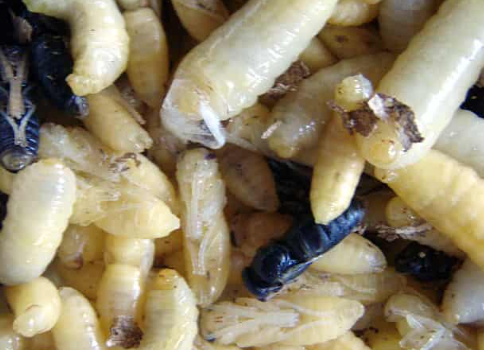
In Myanmar, particularly in Yangon, you can find an unusual food item that even the locals regard as a rare treat: palm weevil larvae. These white, squirmy creatures are deep-fried and have a surprising taste—crunchy on the outside and creamy on the inside. Though it might not be a typical part of every meal, trying one of these larvae provides a unique taste of Myanmar’s rich culinary diversity.

Philippines: A Delicacy of Duck Embryos and Stuffed Frogs

In the Philippines, two dishes stand out for their unconventional ingredients. The first is balut, a fertilized duck egg, which contains a partially developed chick. The egg is boiled and eaten with salt and vinegar, and it’s a popular street food across the country. The experience can be confronting for first-timers, but the rich, savory taste of the egg and chick has earned it a devoted following.

Another dish, known as “betute” or stuffed frogs, hails from the province of Pampanga. These frogs are stuffed with seasoned pork, garlic, and spices before being deep-fried to perfection. The result is a crispy, tender dish that tastes surprisingly like chicken, making it an interesting dish for adventurous eaters.

South Korea: Live Octopus (San-nakji)

In South Korea, one of the most daring dishes you can try is san-nakji, which consists of live baby octopuses. The octopus is cut into pieces and served while still wriggling, often seasoned with sesame oil and seeds. The chewy, slippery texture may challenge even the most adventurous eaters, but it’s a staple in some seafood restaurants, particularly at the bustling Noryangjin fish market in Seoul.

Taiwan: Stinky Tofu and Duck Tongues

Taiwan is famous for its stinky tofu, a fermented dish that lives up to its pungent name. Often deep-fried and served with pickled vegetables and soy sauce, stinky tofu has an acquired taste that can be off-putting for newcomers due to its strong smell. Yet, for those brave enough to try it, the crispy exterior and salty flavor might just win you over.

Another unique snack is crispy fried duck tongues, which are a popular bar snack in Taiwan. Though not as meaty as other parts of the duck, the crispy texture and savory flavor make it an enjoyable treat, especially when paired with a cold drink.

Vietnam: Cobra Heart and Snake Blood

In Vietnam, one of the most fascinating (and intimidating) foods is the cobra heart. At certain restaurants in Hanoi, you can select your cobra, which is then killed in front of you, and its heart is served in a shot glass filled with rice wine. This unique experience, though not for the faint of heart, is said to provide strength and vitality. Along with the heart, various cobra dishes, such as sautéed meat and snake testicles, are also offered, making for an unforgettable culinary experience.

Japan: Raw Chicken Sashimi and Black Eggs

Japan offers some peculiar dishes for the daring eater, with one of the most unique being raw chicken sashimi. It’s served as thin slices of raw chicken, often accompanied by soy sauce and green onions. Although eating raw chicken poses health risks, some restaurants take extra precautions to ensure safety, and the dish is known for its tender texture and delicate flavor.

Another intriguing Japanese food is the black egg, or “kuro-tamago,” found near Mount Fuji. These eggs, boiled in the sulfur-rich waters of Ōwakudani, have a distinct black color and a subtle sulfur taste. It’s said that eating one can add seven years to your life, making it a must-try for visitors.

China: Sheep Penis and Rabbit Skulls

In China, you’ll find some truly unusual foods. In Beijing’s Wanfujing market, skewers of scorpions are a common sight, but perhaps the most surprising is the sheep penis. This rubbery, pale delicacy is often served on a stick, and though it may not look appetizing, it’s a snack that draws a crowd of curious tourists.

Meanwhile, in Chengdu, rabbit skulls are a beloved local snack. The skulls are often seasoned and served as a finger food, with the main attraction being the brain. Though the appearance might be off-putting, the dish offers an unexpected, flavorful experience for those willing to give it a try.

Conclusion: Embrace the Weirdness

The world of Asian cuisine is full of surprises, and the weird foods you encounter during your travels are an essential part of the experience. While some dishes may push your limits, they offer a window into the cultures and traditions that make Asia so unique. Whether it’s fried insects, exotic animal parts, or fermented delicacies, embracing the weirdness of food is an adventure that will leave you with unforgettable memories.

If you’re looking to explore the stunning landscapes of the Blue Mountains, these 12 day hikes are some of the best ways to connect with nature. Located just a short trip from Sydney, the Blue Mountains offers a variety of trails ranging from easy strolls to more challenging treks. Whether you’re in the mood for sweeping views, waterfalls, or temperate rainforests, these hikes will take you through some of the most breathtaking scenery in Australia.

1. Grand Canyon Track

  • Distance: 6.3 km loop
  • Duration: 3 hours
  • Difficulty: Moderate
    The Grand Canyon Track, starting at Evans Lookout, is one of the most popular hikes in the Blackheath area. The route descends into a lush rainforest, winding through streams and ferns, offering a beautiful contrast of terrain. You’ll end the hike with an uphill climb to the top, where you can enjoy more scenic views.

2. Pulpit Walking Track

  • Distance: 7 km return
  • Duration: 2-3 hours
  • Difficulty: Easy to moderate
    This walk, beginning at Govetts Leap Lookout, takes you along a cliff edge, showcasing waterfalls, creeks, and expansive views. The trail ends at the iconic Pulpit Rock, which protrudes dramatically over the valley, providing fantastic photo opportunities.

3. Jenolan River Walk

  • Distance: 2.6 km return
  • Duration: 1 hour
  • Difficulty: Easy
    The Jenolan River Walk is ideal if you’re looking for a relaxed, family-friendly hike. This trail passes through tranquil forest scenery, complete with small waterfalls and a suspension bridge, leading to the beautiful Blue Lake and Carlotta Arch.

4. Prince Henry Cliff Walk

  • Distance: 7 km one-way
  • Duration: 3-4 hours
  • Difficulty: Easy to moderate
    This iconic hike connects Leura and Katoomba, showcasing some of the best vistas in the Blue Mountains. Along the way, you’ll encounter the famous Three Sisters, Katoomba Falls, and Echo Point, with plenty of opportunities to explore waterfalls and lookouts.

5. Wentworth Falls Track

  • Distance: 1.4 km return
  • Duration: 1 hour
  • Difficulty: Moderate to hard
    Wentworth Falls offers a stunning waterfall with multiple layers cascading down rocky cliffs. The hike to the base is steep, with lots of stairs, so it’s best for those who are up for a bit of a challenge. The reward is a peaceful spot by the pools at the base of the falls.

6. South Lawson Waterfall Circuit

  • Distance: 2.5 km circuit
  • Duration: 1.5 hours
  • Difficulty: Easy
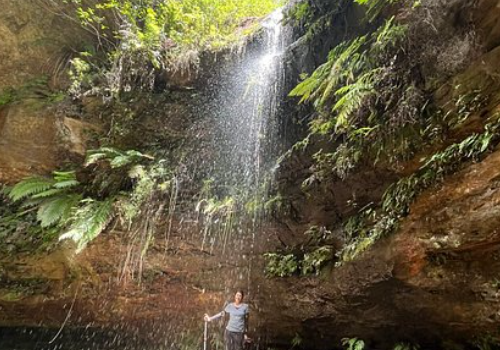
    This trail is perfect for a rainy day, as the waterfalls are even more impressive after rainfall. The hike is short, passing by four main waterfalls and a few smaller ones. It’s peaceful and serene, offering a lovely walk through the forest.

7. Burgess Falls Walking Track

  • Distance: 1 km to Horseshoe Falls, 2.4 km to Oakland Falls
  • Duration: 1-2 hours
  • Difficulty: Easy
    This scenic forest walk in Hazelbrook takes you past three beautiful waterfalls. You can opt for the full 2-hour hike to Burgess Falls or just explore the shorter route to Horseshoe Falls, which features a cave behind the waterfall.

8. Hanging Rock Trail (Burramoko Ridge Fire Trail)

  • Distance: 10 km return
  • Duration: 2.5 hours
  • Difficulty: Easy to moderate
    The Hanging Rock Trail offers some of the most dramatic views in the Blue Mountains. The hike is mostly flat, but the last stretch includes a descent to Hanging Rock itself, where you can stand on a rock that appears to be suspended over a sheer drop. The views are jaw-dropping, and while the trail is safe, take care around the cliff edges.

9. Coachwood Glen Nature Trail

  • Distance: 600 m loop
  • Duration: 20 minutes
  • Difficulty: Easy
    If you’re short on time, this short but beautiful walk is perfect. The trail winds through a lush forest with streams and thick ferns, making it ideal for a quick but peaceful escape into nature.

10. Perrys Lookdown to Acacia Flat Campground

  • Distance: 6 km return
  • Duration: 2-3 hours
  • Difficulty: Hard
    This steep descent from Perrys Lookdown to Acacia Flat is one of the more challenging hikes in the Blue Mountains. The trail descends into a tranquil forest, but be prepared for a strenuous climb back up. Once at the campground, you can cool off in a nearby creek.

11. Porters Pass and Colliers Causeway

  • Distance: 5.2 km loop
  • Duration: 3 hours
  • Difficulty: Moderate
    Porters Pass and Colliers Causeway is a rugged trail near Blackheath that takes you through mossy gullies and under small waterfalls. The route provides stunning views of the western Blue Mountains, making it an excellent choice for those seeking seclusion and quiet beauty.

12. Clifftop Track

  • Distance: 6 km return
  • Duration: 2-3 hours
  • Difficulty: Easy to moderate
    The Clifftop Track offers a relatively easy hike along the cliff edges between Govetts Leap and Evans Lookout. Along the way, you’ll get sweeping views of the valleys below, with the opportunity to visit two of the best lookouts in the area.

Travel Tips for the Blue Mountains

How to Get There
The Blue Mountains can be reached by car, train, or guided tour. If you’re driving, take the Great Western Highway west from Sydney. Trains run regularly from Central Station to Leura, Katoomba, and other towns in the Blue Mountains. For those who prefer guided tours, various day trips are available, typically costing between $100-$200.

What to Pack
For a day hike, bring a comfortable backpack, plenty of water, sunscreen, snacks, and a camera. Make sure to wear sturdy hiking boots, especially since some trails can be rocky or slippery.

Where to Stay
If you want to stay overnight, the Blue Mountains offers a range of accommodations from free campsites to affordable hostels. Popular towns like Katoomba and Blackheath provide plenty of options for all budgets, and you can even stay in local hostels for as little as $20–$30 per night.

Whether you’re tackling a short stroll or a longer trek, these 12 hikes provide a perfect introduction to the natural beauty of the Blue Mountains. Take your pick, and get ready to explore one of Australia’s most spectacular destinations!