
Sucre, often called Bolivia’s White City, has quickly become one of my favorite destinations in South America. What was meant to be a brief stop turned into a 12-day adventure, filled with discoveries around every corner. Sucre blends colonial charm, vibrant street life, and historical landmarks, all set in a tranquil, relaxed atmosphere that makes it a perfect place to unwind.

Nestled at an altitude of 2800 meters, Sucre offers stunning views, colonial architecture, and a lively local culture. Interestingly, while La Paz is the seat of Bolivia’s government, Sucre is the constitutional capital, where the country declared its independence. This rich history only adds to the city’s allure.

During my stay, I found myself wandering through markets, savoring local fruits, and soaking in the city’s historical sites. From the local food to the charming streets, here’s what I recommend checking out when in Sucre.

Wander Through Sucre’s Charming Streets

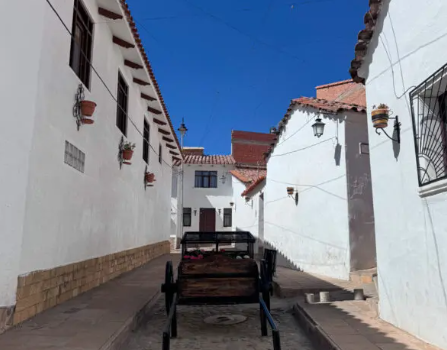
Sucre, designated a UNESCO World Heritage Site in 1991, is a visual feast. The city is filled with colonial-era architecture, from grand churches and bell towers to narrow cobblestone streets and rustic alleys. Every corner you turn reveals something worth admiring, whether it’s an old church or a colorful door begging for a photo. Sucre’s beauty is understated, with a rugged elegance that stands out in every detail.

Watch the Sun Set from Mirador de la Recoleta

For a breathtaking view of Sucre, head to Mirador de la Recoleta. Located just outside the city center, this spot offers a stunning panoramic view of the town framed by distant mountains. It’s the perfect place to relax with a refreshing drink, enjoy a good book, or simply watch the sunset as the city below comes to life in the golden light.

Try Local Delicacies Like Chirimoya

If you visit the central market, don’t miss the chance to try Chirimoya, a delicious South American fruit. Known for its sweet and refreshing flavor, it’s often sold by local vendors who will happily let you sample it. For a real treat, try a Chirimoya smoothie while you explore the market. This is an easy and inexpensive way to experience local flavors.

Explore San Felipe de Neri

For a more scenic view of the city, visit the San Felipe de Neri Church. Built in the 18th century, this church offers both stunning architecture and a 360-degree panoramic view of Sucre. The rooftop provides one of the best spots in the city to admire its beauty, and the grandeur of the building adds to the peaceful atmosphere.

Learn Spanish in Sucre

Sucre is a fantastic place to improve your Spanish. Many travelers come to the city specifically for language classes. I took private lessons at Me Gusta Spanish School, where I not only improved my language skills but also participated in cooking classes and city tours organized by the school. There are several schools in Sucre, with options for both private and group lessons, making it an ideal destination for language learners.

Join the Virgen de Guadalupe Festival

Every September, Sucre becomes the center of a vibrant celebration in honor of the Virgin de Guadalupe, the city’s patron saint. The festival is a full-on street party, with locals and visitors alike participating in dances, music, and parades. For days, the streets come alive with traditional performances, fireworks, and street food. It’s an exciting and festive time to visit, offering a chance to experience Bolivia’s culture up close.

Visit the Tarabuco Market

About 60 kilometers from Sucre, the Tarabuco Market is a must-see for anyone interested in authentic local culture. Although it has become a popular spot for tourists, if you venture deeper into the market, you’ll find a more genuine scene of Bolivian life. The market is held every Sunday, with vendors selling everything from handmade textiles to fresh produce. Getting there is easy: buses leave regularly from Sucre, and the journey takes about 90 minutes.

Savor Local Cuisine

Sucre’s food scene is diverse and delightful. Be sure to try “Papas Rellenas,” deep-fried stuffed potatoes filled with cheese, eggs, or meat. They’re a local favorite and are available at many street stalls around the city. For a great vegetarian meal, check out El Germin, which offers a delicious 3-course lunch for a very reasonable price. If you want to try some Bolivian street food, the Central Market is the place to be, where you can find everything from soups to salteñas, a Bolivian pastry that’s a must-try.

Where to Stay in Sucre

Sucre offers a variety of accommodations to suit all types of travelers. If you enjoy staying with local families, I recommend Jorge’s place, where you can experience the warmth of Bolivian hospitality. His home overlooks beautiful views of Sucre, and guests have access to a fully equipped kitchen and fast Wi-Fi.

For those looking for a more social atmosphere, 7 Patas Hostel is a great option. With its beautiful decor and relaxed courtyard, it’s an ideal place for solo travelers or couples. The Celtic Cross is another good choice, especially for those who love to cook, as it has a fully equipped kitchen.

Final Thoughts

Sucre may not be as widely known as other Bolivian cities, but it offers a unique charm that’s hard to resist. With its colonial architecture, beautiful landscapes, and rich cultural experiences, it’s a destination worth exploring. Whether you’re wandering the streets, trying local delicacies, or enjoying the lively festivals, Sucre promises to leave you with lasting memories of Bolivia’s heart and soul.

China, with its vast land and rich cultural heritage, offers an array of unforgettable travel experiences. From ancient landmarks to bustling cities, there’s something for every traveler. If you’re planning a trip to China in 2025, here are six stunning destinations you should consider for an unforgettable journey.

1. Beijing – The Heart of China’s History

As China’s capital, Beijing seamlessly blends ancient culture with modern innovations. If you’re visiting for the first time, don’t miss the iconic Forbidden City. This immense palace complex, which once served as the Emperor’s residence, dates back to the early 1400s. Take a few hours to explore this UNESCO World Heritage site and immerse yourself in China’s imperial past.

Another must-see in Beijing is the Bird’s Nest Stadium, a modern marvel built for the 2008 Olympics. The stunning architecture is especially captivating at night when it’s illuminated. For a more historical experience, venture outside the city center to the Great Wall of China, located in the Huairou District. The view from this ancient wonder is awe-inspiring and offers a glimpse into China’s rich history.

2. Shanghai – A Blend of Old and New

Shanghai is a dynamic city that perfectly mixes East and West. Known for its striking skyline, the city is home to architectural masterpieces like the Shanghai Tower. During the day, visit the peaceful Yu Garden, a traditional Chinese garden that dates back to the Ming dynasty. Afterward, take a stroll along The Bund, Shanghai’s historic waterfront, which offers stunning views of the city’s skyline.

In the evening, Shanghai’s vibrant nightlife comes alive. For a different perspective of the city, hop on a ferry cruise along the Huangpu River and enjoy breathtaking views of the illuminated skyline. Whether you’re exploring historical sites or indulging in luxury shopping, Shanghai offers something for everyone.

3. Chengdu – Meet the Pandas

Chengdu, in Sichuan Province, is a paradise for animal lovers, especially those who adore pandas. The city is home to several panda reserves, including the Chengdu Research Base of Giant Panda Breeding, where you can see these adorable creatures in their natural habitats. Chengdu’s relaxed vibe also makes it a perfect destination for leisurely exploration.

Aside from pandas, Chengdu boasts historical streets like Jinli Ancient Street, where you can shop for local goods and experience Sichuan’s unique culture. Be sure to try the famous spicy Sichuan cuisine, especially dishes like hot pot, which will set your taste buds tingling.

4. Guangzhou – A Unique Blend of Tradition and Modernity

Guangzhou, located on the Pearl River, is known for its modern skyline and rich cultural heritage. The Canton Tower, standing at 600 meters, offers a panoramic view of the city and the river. The city is also a hub for Cantonese culture, and you can experience traditional Cantonese opera, a unique blend of art, music, and storytelling.

Cantonese cuisine, especially dim sum, is a highlight in Guangzhou. Be sure to sample the famous roast goose and enjoy a morning visit to one of the city’s many dim sum restaurants for an authentic experience.

5. Xiamen – The Coastal Beauty

Xiamen, a coastal city in Fujian Province, is known for its beautiful scenery and fresh seafood. One of its top attractions is Gulangyu Island, a UNESCO World Heritage site. This pedestrian-only island is filled with lush gardens, old buildings, and a peaceful atmosphere, perfect for a relaxing day trip. Take a walk through its residential areas to get a glimpse of local life.

Xiamen is also famous for its tea plantations, particularly the Yannanfei Tea Field, where you can stroll through acres of tea plants and enjoy the fragrant atmosphere. For seafood lovers, the city’s coastal location offers some of the freshest seafood in China.

6. Xi’an – Home of the Terracotta Warriors

Xi’an, an ancient city once known as Chang’an, is a must-visit for history enthusiasts. The Terracotta Warriors and Horses Museum is the city’s crown jewel, featuring thousands of life-sized statues that were buried with Emperor Qin Shi Huang. The discovery of these warriors in 1974 was one of the most significant archaeological finds in history, and seeing them in person is truly awe-inspiring.

Xi’an is also known for its rich culinary offerings. You’ll find some of the best local dishes, such as liang pi (cold skin noodles) and roujiamo (a type of Chinese sandwich). The city is also home to a large Muslim community, so you’ll find plenty of halal food options to explore.

Conclusion

China is a country full of diverse experiences, from ancient cultural treasures to modern metropolises. Whether you’re exploring Beijing’s historical landmarks, Shanghai’s vibrant skyline, or Chengdu’s panda reserves, these six destinations offer a variety of adventures for every type of traveler. Make sure to plan your trip well to fully experience the beauty and history that China has to offer.

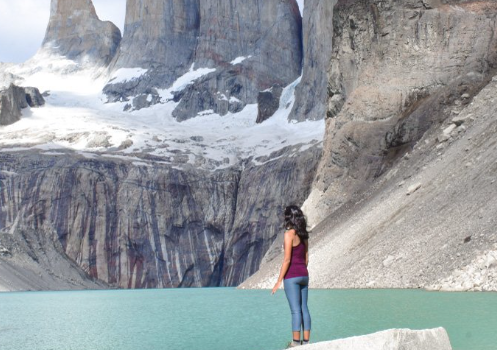
The Torres del Paine National Park in Chile is one of Patagonia’s most iconic destinations, and for any hiker, completing the W Circuit is a dream. I had heard so much about the trek from fellow travelers that it became an unmissable part of my Patagonia adventure. As someone relatively new to hiking and traveling solo, I was eager to experience all that I could within the time I had. While the O Circuit, which is more challenging and suited for experienced trekkers, was out of the question, I was excited to tackle the W Circuit, a trek typically completed in 4 to 5 days.

Thankfully, I was able to secure a last-minute spot, and I quickly discovered a few important things about the trek that would have been helpful to know beforehand. Here are some key takeaways from my experience that may make your adventure a little smoother.

1. You Don’t Always Need to Book 6 Months in Advance

Contrary to popular belief, booking the W Circuit months in advance is not always necessary. While securing a spot ahead of time is a good idea, especially if you plan on using free campsites or camping with your own equipment, it’s not a deal-breaker if you’re booking last minute. When I went in early December, there were still available spots for a week’s worth of bookings. It’s common for people to cancel last minute, opening up opportunities for others to join the trek. However, if you prefer more comfort, such as staying in refugios (mountain huts), these can sometimes be booked last minute as well.

2. Getting Lost Is Part of the Adventure

Despite the trail being well-marked, it’s entirely possible to veer off course—especially in more remote sections. I personally got lost twice between Italiano and Valle Frances. When this happens, the best thing to do is retrace your steps and return to the last known control marker. While it can be unnerving, trust your instincts and keep an eye out for markers. If you’re heading up steep or slippery terrain and the trail seems to disappear, you’ve probably gone the wrong way. Stay calm and backtrack if needed.

3. You Don’t Have to Rush Through the Trek

While the W Circuit is often completed in 4 nights and 5 days, it doesn’t mean you have to stick to that timeline. If you’re up for a more relaxed pace, consider extending your journey to 5-7 nights or even longer. This allows you to truly take in the surroundings without the pressure of rushing from one campsite to the next. For example, if you’re interested in kayaking to Glacier Grey, you might want to spend an extra night at Refugio Grey.

4. Accommodation Options Can Be Flexible

When I started the trek, I had reservations for the first and second nights at Refugio Chileno and Refugio Central, respectively. However, after my first night, I realized I didn’t want to continue on to Central and decided to adjust my plan. It turned out to be easy to change my accommodation on the spot. If you’re booking with the same company—like Fantastico Sur or Vertices—you can often switch your accommodation plans without issue, as they manage several sites throughout the park.

5. For the Best Glacier Views, Head to the Second Suspension Bridge

If you’re eager to get a stunning view of Glacier Grey, make sure to hike a little further than you might have planned. While the second mirador (viewpoint) offers a great view of the glacier, the best spot is actually beyond it, at the second suspension bridge. It’s about an extra hour and a half of hiking past Refugio Grey, but it offers the most incredible perspective of the glacier. If you’re up for the extra effort, I recommend leaving early in the morning to give yourself plenty of time. I left at 6:30 am, and after hiking for several hours, I reached the second bridge at 11:00 am—exhausted but thrilled to have made it.

Final Thoughts

The W Circuit in Patagonia is a breathtaking and rewarding experience, offering some of the most spectacular landscapes on earth. While the trek isn’t overly difficult, it can still be challenging, especially if you’re not prepared. That being said, with some flexibility in your planning and a willingness to adapt as you go, it’s an adventure you’ll never forget.

If you’re looking for the perfect romantic getaway, it’s important to choose a destination that sets the stage for unforgettable memories. Whether you’re planning a honeymoon, a special anniversary, or simply a romantic vacation, these seven destinations offer something unique for couples. From scenic beaches to romantic city escapes, here are seven places that will make your time together even more special.

1. Santorini, Greece: The Island of Romance

Santorini is a stunning Greek island known for its blue-domed churches, dramatic cliffs, and breathtaking sunsets. This island, often referred to as the “island of love,” has become one of the most iconic romantic destinations. Couples flock here to explore the charming villages of Oia and Imerovigli, where the scenic views of the Aegean Sea provide a picturesque backdrop.

The island’s unique cuisine, including the famous Santorini Tomato Fritters, is a must-try while you’re there. For an unforgettable experience, visit the Akrotiri Lighthouse, located on the island’s southwestern tip, to enjoy a peaceful sunset away from the crowds.

2. Venice, Italy: Romance on the Canals

Venice is one of the most romantic cities in the world, making it a dream destination for couples. With its 217 islands, canals, and more than 400 bridges, Venice is an enchanting city to explore hand-in-hand with your partner. The highlight of any visit here is a private gondola ride through the canals, where you can enjoy the city’s beauty from the water.

For a truly romantic experience, visit between mid-February and early May, when crowds are smaller, and the city’s charm shines even brighter. Don’t miss the Carnevale festival in late February, where you can enjoy the vibrant masquerades and street performances.

3. Phuket, Thailand: A Tropical Escape for Two

Phuket is a fantastic destination for couples seeking both adventure and relaxation. Whether you’re lounging on the calm beaches of Mai Khao or exploring the lively Patong Beach, there’s something for everyone on this island. For a quieter retreat, head to the serene Sai Kaew Beach for a peaceful, intimate experience.

Couples seeking a bit of excitement can visit the southern end of Mai Khao Beach, where you can watch planes taking off and landing at the nearby Phuket International Airport. It’s a unique experience that offers memorable views and a chance to enjoy the island’s beauty from a different perspective.

4. Seoul, South Korea: A Love-Filled Getaway

Seoul has become a favorite destination for couples, particularly due to the influence of Korean dramas that have captured the hearts of many. A visit to the Gyeongbokgung Palace, a beautiful historical site, is a perfect way to immerse yourselves in Korea’s rich history while enjoying the romantic atmosphere.

For a truly memorable moment, head to the N Seoul Tower, where you can leave a lock of love and take in panoramic views of the city from the observation deck. The nearby Nami Island, famous for its tree-lined paths, is an ideal spot for couples looking to take in nature and create lasting memories.

5. Pangkor Island, Malaysia: Secluded Beauty for Couples

While Malaysia may not immediately come to mind for a romantic escape, Pangkor Island offers a secluded, beautiful retreat perfect for couples. Known for its pristine beaches, like Teluk Nipah, Pangkor Island provides a quiet environment for couples to relax and enjoy each other’s company.

For an easy getaway, consider staying at the Pangkor Laut Resort, where you can enjoy private boat transfers, relaxing spa treatments, and a variety of romantic activities, all in a stunning natural setting.

6. Taipei, Taiwan: Adventure and Romance Combined

Taipei might not be the first destination you think of for romance, but this Taiwanese gem offers a unique mix of adventure, culture, and charm. The Taipei 101 observatory provides stunning views of the city, especially at night when the city lights sparkle below. Afterward, explore the local night markets and indulge in some of the best street food Taiwan has to offer.

For a romantic and unique experience, visit Shifen Old Street to release a sky lantern with your partner. This traditional activity is a symbol of love and good fortune, making it a perfect gesture for couples celebrating a special occasion.

7. Maldives: The Ultimate Romantic Paradise

No romantic getaway list would be complete without the Maldives. This paradise of white sandy beaches and crystal-clear waters is the epitome of romance. Whether you’re enjoying a relaxing day on the beach or indulging in water activities like snorkeling and diving, the Maldives offers a luxurious escape like no other.

For the ultimate experience, book a stay at Club Med Kani, where you can enjoy a private overwater suite with direct access to the sea. The resort’s all-inclusive services, including spa treatments, water sports, and yoga sessions, make it the perfect romantic destination to unwind and connect with your loved one.

Conclusion

These seven destinations offer everything from serene beaches to cultural experiences, each providing the perfect setting for romantic moments. Whether you’re looking to enjoy quiet relaxation or thrilling adventures, these places are guaranteed to create memories that last a lifetime. So pack your bags and start planning your next romantic getaway!

Salento, Colombia is a charming town nestled amidst lush green landscapes and towering mountains. Whether you’re looking to explore the great outdoors, discover coffee culture, or simply relax, this town has something for everyone. It’s the perfect destination for those who want to experience the beauty of Colombia without the crowds that can be found in more touristy areas. During my visit, I had the pleasure of celebrating my birthday here, and the experiences I had were unforgettable. If you’re planning a trip to Salento, here’s your guide to the best things to do.

Hike Through Cocora Valley

Cocora Valley is a must-visit when in Salento. Known for its towering wax palm trees, this stunning area is part of the Los Nevados National Natural Park. The hike through the valley is one of the most beautiful and rewarding in Colombia. It typically takes around five hours, and the views along the way are nothing short of breathtaking.

You can hike clockwise to head straight for the stunning views, or take the more popular anti-clockwise route, which allows you to save the best views for last. The trail takes you through dense jungle, where you’ll be surrounded by lush vegetation and the sound of nature. If you like, stop at a small hummingbird sanctuary for a small fee (though this wasn’t particularly impressive to me).

The hike can be challenging, especially the steep climb to the top, so make sure to bring good hiking boots and plenty of water. Once at the top, the panoramic views are well worth the effort. There’s a small entrance fee of around 3,000 pesos to access the valley, and to get there, take a jeep from the main square, which costs about 8,000 pesos.

Visit Coffee Farms

Salento is one of Colombia’s coffee hotspots, and visiting the coffee farms is a fantastic way to learn about the country’s famous coffee culture. There are several coffee farms near Salento, with three main ones being Arzacia (organic), Osaco, and Arcacia.

I highly recommend visiting Arzacia, especially if you can make it later in the day when the groups tend to be smaller. The owners are incredibly passionate and knowledgeable about organic coffee production, and you’ll learn a lot about the differences between organic and regular coffee. Tours typically start around 12,000 pesos. After the tour, head over to Osaco for a coffee break with a stunning view. You can get there by taking a jeep from the main square for about 6,000 pesos.

Horseback Riding Through the Countryside

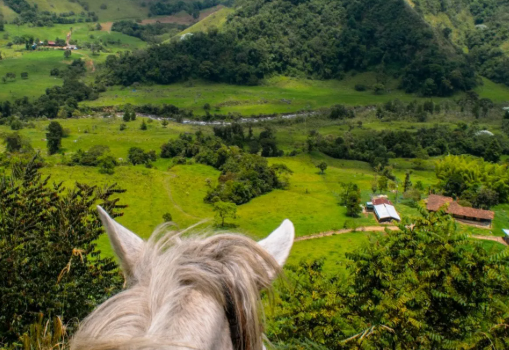
For a unique way to explore the surrounding area, consider going horseback riding. Though I’m not an experienced rider, I decided to give it a try for my birthday, and it was a memorable experience. The three-hour ride took us through beautiful landscapes, including some picturesque waterfalls. While the ride was beautiful, I’ll admit that the saddle left me with a few sore spots, so be prepared for a bit of discomfort.

Prices for a half-day horse ride are typically around 45,000 pesos, and it’s a great way to see the countryside at a relaxed pace.

Where to Stay in Salento

For a cozy and welcoming place to stay, I highly recommend Coffee Tree Boutique Hostel. It’s a charming spot with spacious rooms and a friendly atmosphere, making it perfect for meeting fellow travelers. I stayed in a four-person dorm, which was comfortable, though I’ve heard that the six-person dorm can get a bit crowded.

Another great option is Viajero Salento, which I stayed at for my first few nights. This hostel has a vibrant atmosphere, and for anyone interested in wellness, they offer morning yoga classes.

If you’re looking for a more peaceful retreat in the mountains, Hotel Kawa Mountain Retreat offers stunning panoramic views and a tranquil setting that’s perfect for those who want to escape and relax.

How to Get to Salento

Getting to Salento is relatively straightforward. From Bogotá, you can take a bus to Armenia, and then transfer to a bus that will take you to Salento. Alternatively, if you’re flying into Pereira, you can take a bus directly to Salento from the airport.

Conclusion

Salento is a destination that perfectly balances nature, culture, and relaxation. Whether you’re hiking through Cocora Valley, learning about coffee production, or simply soaking in the stunning views, there’s no shortage of things to do in this charming Colombian town. With its welcoming atmosphere and diverse activities, Salento is an unforgettable place to experience the heart of Colombia.

Travel planning can be just as exciting as the actual vacation. The anticipation, the research, and the idea of discovering new places are all part of the fun. However, the season you travel in can greatly affect your experience. To help you make the most of your next getaway, we’ve put together a season-by-season guide highlighting some of the best places to visit throughout the year. Whether you’re dreaming of a spring escape, a summer adventure, an autumn retreat, or a winter wonderland, these recommendations will help you plan the perfect trip.

Why Plan Your Vacation Around the Season?

Choosing the right season for your destination can significantly enhance your travel experience. The best weather, fewer crowds, and lower costs are just a few benefits of timing your vacation properly. For example, you don’t want to visit Bali during Nyepi, the Day of Silence, when everything, including the airport, shuts down for 24 hours. Similarly, knowing when to avoid peak tourist seasons can help you enjoy better rates on accommodation and avoid overcrowded attractions.

Moreover, for photographers, the season can play a crucial role in capturing stunning landscapes, whether it’s the vibrant cherry blossoms of Japan in spring or the snowy vistas of Austria in winter. Planning ahead means you can pack accordingly, ensuring you’re prepared for the weather and can make the most of your experience.

Spring Getaways You’ll Love

Spring is a magical time to travel, especially in regions where the seasons are more distinct. With milder weather and fewer tourists, it’s a great opportunity to explore some of the world’s most beautiful places.

Europe

Europe is absolutely stunning in spring. After months of cold and dreary weather, the continent bursts into life with blooming flowers, sunny skies, and a welcoming atmosphere. The charming streets of cities like Paris, Rome, and Barcelona look even more enchanting with vibrant spring colors. If you can’t choose just one destination, consider taking a tour of multiple European countries to fully appreciate the seasonal beauty.

Japan

When it comes to spring, Japan is a top contender. The cherry blossom season attracts millions of visitors each year. Although it’s one of Japan’s busiest times, the sight of sakura (cherry blossoms) in full bloom is well worth the crowds. To make the most of your visit, keep an eye on the annual cherry blossom forecast to know exactly where and when to experience the best blooms.

Summer Escapes to Remember

Summer vacations often bring images of long, sun-filled days, but Europe can be crowded and expensive during this season. Luckily, there are some fantastic alternative destinations to enjoy a summer holiday without the chaos.

New Zealand

New Zealand offers a unique summer experience, combining stunning landscapes with thrilling outdoor activities. Whether you’re bungee jumping in Queenstown, whale watching off the South Island, or visiting the famous Hobbiton Movie Set, New Zealand is a dream destination for adventurers. Plus, since it’s located in the Southern Hemisphere, New Zealand’s summer is the perfect escape from the heat of the Northern Hemisphere.

Royal Caribbean Cruise

For a truly unique summer adventure, consider a Royal Caribbean cruise. The cruise offers a relaxed environment with fewer crowds, making it perfect for families or those who want a less hectic vacation. You’ll enjoy the cool ocean breeze, numerous onboard activities, and stops at different cities, allowing you to explore multiple destinations without the hassle of flying.

Autumn Adventures You Can’t Miss

Autumn is a wonderful season for travel. The cooler temperatures and vibrant fall foliage make it an ideal time to explore new destinations, especially when the crowds begin to thin.

China

China is particularly stunning in autumn. The cooler weather is perfect for sightseeing, whether you’re strolling through the streets of Shanghai or hiking the Great Wall. The golden hues of autumn transform iconic places like the Diaoyutai Gingko Road in Beijing into picture-perfect spots. China’s blend of history, culture, and natural beauty makes it an ideal autumn destination.

Australia

Although autumn falls in the Southern Hemisphere during the opposite time of year, it’s still an excellent time to visit Australia. With sunny days and cool nights, the weather is perfect for outdoor activities like kayaking in the Whitsundays or surfing at Bondi Beach. If you’re visiting in the fall, don’t miss the chance to see koala joeys and kangaroo calves making their first appearances in the wild.

Winter Wonders to Experience

Winter offers the opportunity to enjoy chilly weather and festive celebrations, as well as to experience some of the world’s most magical snowy destinations.

Austria

Austria is a dream destination for winter lovers. The charming village of Hallstatt, with its snow-covered rooftops and picturesque lakeside setting, is particularly enchanting during the winter months. Take a scenic train ride, followed by a boat transfer across the lake, to reach this idyllic destination. The village offers stunning views of snow-capped mountains and is perfect for a peaceful winter escape.

Norway

Norway’s winter offers a unique experience that’s perfect for those seeking adventure and natural beauty. Visit in January for a chance to witness the Northern Lights, a once-in-a-lifetime experience. In addition to the aurora borealis, Norway offers breathtaking landscapes like Pulpit Rock, where you can hike and enjoy stunning views. With fewer tourists during the winter, Norway is an excellent choice for a quieter, more affordable vacation.

Conclusion

Choosing the right time to visit a destination can make all the difference. Whether you’re exploring Europe’s spring blooms, experiencing Japan’s cherry blossoms, seeking adventure in New Zealand during summer, or immersing yourself in the beauty of autumn in China, the world offers incredible opportunities for travel throughout the year. By planning according to the season, you’ll ensure a memorable, stress-free vacation, no matter when you go.

Brunch in Lisbon is a relatively new trend, but it’s become a beloved part of the city’s vibrant dining culture. While not a traditional Portuguese meal, brunch has been embraced by locals, expats, and visitors alike. With a blend of Portuguese classics and international flavors, Lisbon offers a wide range of brunch options. Here are seven brunch spots that locals frequent—not just for tourists or expats. These places capture the essence of Lisbon’s culinary charm, combining quality food with a welcoming atmosphere.

1. Curva

Nestled in the Graça district, Curva has quickly become a favorite among locals. This charming spot is a restaurant, cultural space, and shop all in one. What makes Curva stand out is its generous portion sizes and the unique blend of traditional Portuguese ingredients with modern flair. The menu offers a variety of options, but anything with bread, like their toasted sandwiches, is a must-try. Curva is known for providing excellent value, and its atmosphere captures the heart of Lisbon.

Location: R. Damasceno Monteiro 108D

2. Choupana Caffe

Choupana Caffe, located in the upscale Saldanha neighborhood, initially seemed like it would cater only to tourists and expats. However, it’s a pleasant surprise for anyone who visits. This bakery focuses on serving quality food to the community, with standout offerings like croissants and organic yogurt. The focus on authenticity makes it a beloved spot for both locals and visitors who appreciate quality food.

Location: Av. da República 25A, 1050-186

3. Fauna & Flora

If you’re looking for an international vibe, Fauna & Flora is a perfect fit. The space is filled with lush greenery and rustic décor, offering a cozy, plant-filled escape from the hustle and bustle of Lisbon. Their menu features a creative range of bowls, pancakes, and homemade cakes, all made with fresh, locally sourced ingredients. While you won’t find traditional Portuguese dishes here, the innovative menu is a refreshing take on brunch.

Location: Rua da Esperança 33, 1200-655

4. Garden Balthazar Caffe

Garden Balthazar Caffe, located in the lively Saldanha area, is a favorite for brunch lovers. Known for its diversity, the menu caters to a range of dietary preferences, and the attentive service creates a welcoming atmosphere. While it’s quite popular, an early visit will allow you to enjoy a peaceful breakfast experience before the crowds arrive.

Location: R. Viriato 11A, 1050-233

5. Maria Limão

Situated in Graça, Maria Limão specializes in both savory and sweet crepes, making it a popular brunch destination. The creperie draws in a diverse crowd, from locals to international visitors. Apart from their delicious crepes, the freshly squeezed juices and coffee are also worth noting. Weekday brunches are perfect for a more laid-back experience, where you can soak in the cozy atmosphere.

Location: Rua da Graça 127, 1170-168

6. Pipe Coffee

Tucked away in the quieter Areeiro-Roma district, Pipe Coffee is a hidden gem loved by locals. This cozy café is known for its intimate ambiance and outstanding menu, especially its pancakes. Pipe Coffee offers a relaxed atmosphere and a refreshing break from the more tourist-heavy areas of Lisbon. If you’re looking for a less conventional brunch spot, this is the place to be.

Location: Av. João XXI 8, 1000-301

7. Hygge Kaffe

Hygge Kaffe lives up to its stellar reputation with its wide variety of delicious brunch options. From acai bowls to pancakes and sandwiches, there’s something for everyone. Their cinnamon buns are especially popular. However, be prepared for crowds, particularly on weekends, as this place can get busy. Despite the popularity, the atmosphere remains warm and inviting.

Location: R. Tomás Ribeiro 95B, 1050-227

Other Brunch Options in Lisbon

While these seven spots are standout choices, Lisbon has plenty more to offer. Areas like Príncipe Real, Chiado, and Estrela-Lapa are home to several great brunch cafes, including The Mill, an Australian-Portuguese café famous for its specialty coffee and all-day breakfast menu. For a more traditional experience, skip the brunch scene and head to a local bakery where you can enjoy Portuguese favorites like salgados, which are savory pastries that reflect the country’s rich culinary heritage.

Is Brunch in Lisbon Worth Trying?

Though brunch isn’t part of traditional Portuguese cuisine, it has become a cherished part of Lisbon’s dining scene. The city has embraced the concept, offering a wide range of options that cater to different tastes. Not every brunch spot captures the true essence of Lisbon’s food culture, but the ones on this list are authentic, reasonably priced, and frequented by locals. So, whether you’re a first-time visitor or a seasoned Lisbonite, brunch in the city is definitely worth the experience.

If you’re in Lisbon and craving a traditional meal, head to a local Portuguese restaurant for a more authentic experience. But for those looking to enjoy something different with a blend of international and Portuguese influences, these brunch spots are a must-try.

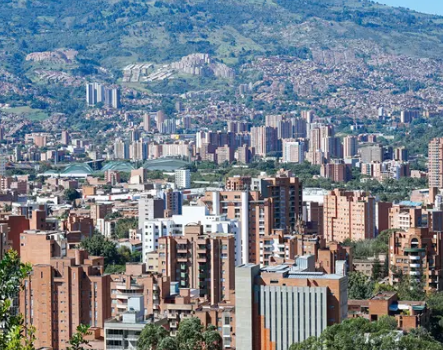
Medellin, Colombia is a city that has truly transformed over the years. Once notorious for its association with violence, drug cartels, and gangs, it now stands as a vibrant, modern city with a fascinating history. Known as the “City of Eternal Spring,” Medellin enjoys a perfect climate year-round, never too hot or cold. During my visit, I was captivated by its charm and the evident positive changes. Although my stay was shorter than planned, Medellin’s blend of lively culture, friendly people, and rich history left a lasting impression.

Whether you’re looking to enjoy the vibrant nightlife, explore the rich history of the city, or simply relax and take in the views, Medellin offers something for everyone.

Top Things to Do in Medellin

1. Explore Comuna 13

Comuna 13 is an area that has undergone an incredible transformation. Once a hotbed for violence and criminal activity, it is now a symbol of hope and resilience, proudly showcased in its murals. These murals tell the story of the community’s journey, from hardship to triumph. On a guided tour, you’ll hear powerful personal stories from locals who have lived through the changes. It’s an eye-opening experience that shows how far the community has come.

Although it’s safe to visit, it’s advisable not to go alone. There are plenty of tour companies offering guided tours, including the donation-based Free Tours.

2. Ride the Cable Cars to Parque Arvi

One of my favorite activities in Medellin was taking the cable car up to Parque Arvi. Located about 30 kilometers from the city center, this is a scenic ride over the lush, green landscape. Once you reach the park, you can either go on a guided hike or explore on your own. The views of the surrounding nature and the city below are absolutely stunning, and the park itself offers numerous trails and a peaceful atmosphere to enjoy.

3. Join a Free Walking Tour

If you’re like me and enjoy wandering the streets, free walking tours are a fantastic way to explore the city. I highly recommend the Real City Tours, which give you a deep dive into the history and culture of Medellin. They offer various tours, including one focused on exotic fruits and local food, which is perfect if you want to dive deeper into the city’s culinary offerings.

4. Take a Day Trip to Guatapé

A trip to Guatapé is an unforgettable experience and only a two-hour drive from Medellin. This colorful town is famous for its vibrant buildings and the iconic El Peñol rock, which you can climb to take in breathtaking views of the surrounding area. It’s well worth the climb, which involves 780 steps, but the view from the top is more than worth it. Many visitors opt for guided tours, but it’s easy to visit independently. Take a bus from the Caraibe metro station, and you’re on your way to one of Colombia’s most picturesque destinations.

5. Experience Medellin’s Cable Car System

The metro cable system is one of the most impressive features of Medellin. Originally designed to connect impoverished neighborhoods to the rest of the city, the cable cars now serve as an efficient and affordable transportation system. The cable cars are well-maintained, with a cleaning service after each journey, making them an excellent way to see the city from above.

6. Avoid Rush Hour Metro Chaos

While Medellin’s metro is generally smooth and efficient, rush hour can be intense, especially around the busiest stations. Having lived in cities like Paris and London, I thought I was used to the crowds, but Medellin’s metro can get especially packed during rush hours. The good news is that the city is known for its calm, orderly queues, and even during rush times, there’s a sense of ease that makes the experience manageable.

7. Visit Plaza Botero

A visit to Plaza Botero is a must for any art lover. The plaza is home to a series of larger-than-life sculptures created by Fernando Botero, a renowned Colombian artist. The distinct, exaggerated figures are not just eye-catching but are also a playful and unique reflection of the artist’s perspective on the human form. The plaza is centrally located, and it’s an easy stop to make while exploring downtown Medellin.

8. Enjoy a Salsa Night

No trip to Medellin would be complete without experiencing its salsa scene. The city is known for its vibrant nightlife, and salsa dancing is at the heart of it all. You can enjoy an evening of dancing at various venues depending on the day of the week. For example, Son Havana is great on Wednesdays, Skybar is a popular Thursday night spot, Social Club is perfect for Fridays, and on Saturdays, Dance Free is the place to be. Salsa in Medellin is more than just dancing—it’s a celebration of music, rhythm, and culture. Even if you’re shy about your own moves, you can simply watch the locals and enjoy the infectious energy.

Conclusion

Medellin is a city full of surprises. From its rich history and cultural transformation to its modern-day vibrancy, there’s always something new to discover. Whether you’re exploring the murals in Comuna 13, riding the cable cars to Parque Arvi, or simply dancing the night away, Medellin offers an unforgettable experience for any traveler. If you’re planning a trip to Colombia, don’t miss out on the chance to explore this amazing city.

It all started with a simple craving. I was at home in my condo, looking out over the bustling streets of Thailand, when I noticed the familiar sight of the cheerful crepe vendor pulling up to her usual spot. Her cart was ready for the day, and my stomach quickly reminded me of its growing hunger. Without a second thought, I rushed down, eager for a delicious crepe stuffed with pork and chili. But by the time I made it outside, the vendor was already moving down the road, taking her cart with her. Panic set in. Do I chase after her or wait until she stops again? The polite side of me opted for the latter, and so I followed her, unsure of where this journey would take me.

As I trailed her down a road I rarely walked, the street started to feel unfamiliar, with only a few schools and a dead end in sight. But soon enough, she stopped, and to my surprise, I stumbled upon a hidden gem—an impromptu street food haven. It was a colorful display of vendors, each with their own delicious offerings. The new discovery left me both excited and oddly betrayed. For years, I had walked past my usual street food vendors, never realizing they had quietly relocated. I couldn’t help but feel like a kid discovering a whole new world.

A New Era of Street Food

My routine, which was already limited, was now thrown into disarray. The days before this discovery were predictable: breakfast at 10 am with a bowl of Tom Yum Kai (hot and sour chicken soup) and Kaprao Moo Grob (crispy pork belly with basil); then around 5 pm, I’d enjoy Som Tam (papaya salad) and grilled pork neck. But now, I had to contend with the temptation of snacking around 3 pm. Should I skip breakfast to make room for an afternoon bite? Or perhaps add a third meal to my day? It was all a bit overwhelming, and the thought of doubling my food intake felt like a troublesome decision.

Street Food for a New Generation

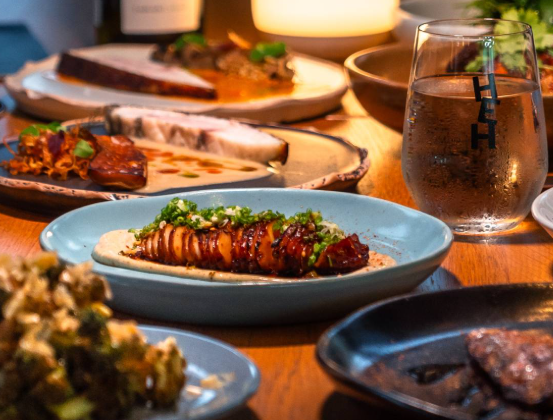
As I stood in the middle of the vibrant street food scene, surrounded by laughing children devouring chocolate lava buns, it became clear that this wasn’t the street food I remembered. The snacks in front of me were distinctly international: Gyoza (Japanese dumplings), Takoyaki (Japanese squid balls), Tornado fries, Bubble Tea (Taiwanese), and even the Chinese-inspired chocolate lava Pao. Gone were the days of traditional Thai street food; this new generation of street food seemed to be shaped by global influences, with kids’ appetites now driven by popular TV shows and international trends.

In contrast, I found myself feeling a little out of touch, like the Isaan sausage vendor, who seemed to be fading into the background. What was happening to the street food I once knew?

The Evolution of Street Food

Then it hit me—was I witnessing the evolution of street food right before my eyes? Standing on my balcony, eating what could only be described as a botched version of Katsu Don (Japanese pork cutlet on rice), I began to reflect on how street food has changed over the years. Thailand, often celebrated for its incredible street food scene, has a deep history of cultural exchange. Crepes, for example, are French in origin, while Roti comes from India, and Khanom Jeep (dumplings) from China. Many of the foods we now consider quintessentially Thai are, in fact, borrowed from other cultures.

As Bangkok becomes more multicultural, it’s only natural that its street food would evolve with it. Could Gyoza one day be considered a Thai staple? Would we forget the humble Isaan sausage in favor of international fare? While I’m open to the idea of trying new dishes, a part of me feels nostalgic for the simple, authentic Thai street food that made this city famous.

But as I reflect on it, I know that Thailand will always hold its reputation as the home of the best street food in the world. Though my taste buds may sometimes yearn for the flavors of global cuisine, my heart will always belong to the deliciously familiar taste of Isaan sausage and the vibrant street food culture of Thailand.

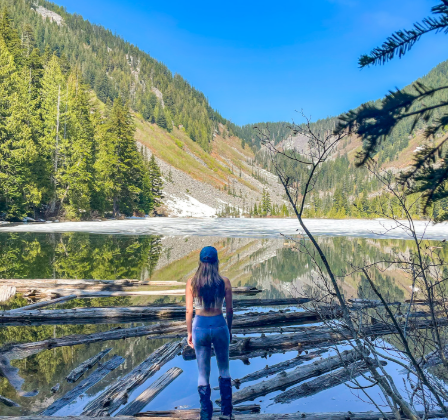
Washington is home to countless trails, but not all hikes are created equal. While popular spots like Rattlesnake Ledge or Lake Twenty-Two might be on everyone’s radar, there’s a whole world of under-the-radar gems waiting to be discovered. This list of my top seven hikes is all about finding those lesser-known treasures that provide breathtaking views, unique experiences, and a break from the crowds. Whether you’re looking for a day hike or a multi-day adventure, these trails offer something special.

1. Lake Ingalls

  • Distance: 9.0 miles (out & back)
  • Elevation Gain: 2,860 feet
  • Difficulty: Moderate

Lake Ingalls is an iconic trail in the Alpine Lakes Wilderness, offering a variety of terrain, from forested paths to exposed ridges. After a short forest walk, the trail opens up to reveal stunning mountain vistas. The real magic happens at the fork, where you can choose between a meadow path or a steeper valley route. Either way, both lead to the lake with a jaw-dropping view of Mount Stuart.

Pro Tip: Fall is an incredible time to visit, with vibrant larch trees lining the trail.

2. West Foss Forks

  • Distance: ~18.0 miles (out & back)
  • Elevation Gain: 5,600 feet
  • Difficulty: Moderate – Hard

For those looking for solitude and a true backcountry experience, West Foss Forks delivers. Often overshadowed by its more famous neighbor, Necklace Valley, this trail offers a peaceful hike with picturesque lakes, including Trout Lake and Copper Lake. For an even more rewarding adventure, push further to Little Heart Lake and beyond. The lack of crowds and vast scenery make it an ideal spot for a quiet backpacking trip.

Pro Tip: Bring a small pack for day hikes if you plan to stay overnight, as this trail offers several great camping options.

3. Cascade Pass & Sahale Arm

  • Distance: 13.0 miles (out & back)
  • Elevation Gain: 4,240 feet
  • Difficulty: Hard

For a mix of stunning mountain views and an exhilarating climb, look no further than Cascade Pass. The hike starts with 36 switchbacks through dense forest, leading to expansive views of the Cascade Mountains. If you’re up for an even more impressive experience, continue on to Sahale Arm. It’s a boulder-filled path leading to meadows with panoramic vistas. Though it can be done in one day, I highly recommend camping here for the full experience.

Pro Tip: Plan your hike for early fall when the crowds are thinner, and the fall colors are in full bloom.

4. Park Butte Lookout

  • Distance: 7.5 miles (out & back)
  • Elevation Gain: 2,200 feet
  • Difficulty: Moderate

For a shorter but rewarding hike with some of the best views of Mount Baker, head to Park Butte Lookout. The trail takes you through meadows and offers wide-open vistas, making it a great option for day hiking. Although the lookout is a popular destination, there are plenty of camping options around, so you’re bound to find a peaceful spot to enjoy the scenery.

Pro Tip: If you’re staying overnight, consider camping in the meadow below the lookout for more tranquility.

5. South Coast Wilderness Trail

  • Distance: ~20 miles (end-to-end)
  • Elevation Gain: ~2,000 feet
  • Difficulty: Moderate

The South Coast Wilderness Trail in the Olympics offers a little bit of everything: forests, cliffside paths, beaches, and wildlife. This trail is perfect for a multi-night backpacking trip, with options for beach camping and the possibility of seeing deer, whales, and sea creatures. However, be prepared for some logistical planning, including timing your hike around the tides and securing permits for bear canisters.

Pro Tip: Skip the trekking poles and pack a camera—there’s too much beauty to miss!

6. Granite Mountain

  • Distance: 8.5 miles (out & back)
  • Elevation Gain: 3,800 feet
  • Difficulty: Hard

Granite Mountain is a tough but rewarding hike, with nearly 1,000 feet of elevation gain per mile. As you climb, you’ll be treated to stunning views of the Cascades and wildflower meadows. The summit offers a 360° view that makes the steep climb worth every step.

Pro Tip: Bring trekking poles, especially on the descent, to save your knees from the strain.

7. Mount Storm King

  • Distance: 5.0 miles (out & back)
  • Elevation Gain: 2,050 feet
  • Difficulty: Moderate – Hard

Mount Storm King is one of the most challenging hikes on this list, featuring cable sections to help you scramble to the summit. Once you’ve made it to the top, the reward is a breathtaking view of the blue waters of Lake Crescent, framed by the layers of mountains. It’s a short hike, but it’s packed with adventure and one of the best views in the Olympics.

Pro Tip: This trail is popular, so start early to beat the crowds and enjoy the hike in peace.

Final Thoughts

Washington is full of incredible hiking trails, but it’s worth stepping off the beaten path to explore some of these lesser-known hikes. From breathtaking alpine views to tranquil lakesides, these seven hikes provide an unforgettable experience without the crowds. Remember, no matter which trail you choose, always follow Leave No Trace principles and enjoy the beauty of the Pacific Northwest responsibly. Happy hiking!