
Northern Ireland’s food scene is often a source of fascination for visitors, especially those unaccustomed to its hearty, comfort-driven dishes. During my regular stays in Bangor, I’ve had the chance to introduce my partner Fanfan to the culinary delights that define the region. While she is not always thrilled with the concept of “greasy” food, she’s had her fair share of eye-opening moments with the unique flavors of Northern Irish cuisine. While many associate the area with rich, indulgent food, it’s these very dishes that form the heart of Northern Ireland’s gastronomic identity. Below, I’m sharing a guide to some of the most iconic meals you can find in Northern Ireland.

The Greasy Spoons: A Staple of Northern Irish Breakfasts

In Northern Ireland, greasy spoons are the local diners, serving up hearty breakfasts that have become an essential part of the culture. Different from a coffee shop, these cafés focus on filling meals, with tea or coffee as the main beverage options. Many of them offer an all-day breakfast, so you can enjoy a traditional meal any time of the day. Expect to find plenty of fried food, including eggs, bacon, sausages, and more.

The Ulster Fry: The Ultimate Northern Irish Breakfast

No breakfast in Northern Ireland is complete without the legendary Ulster Fry. This dish is similar to a Full English or Full Scottish breakfast but includes some local twists. The Ulster Fry typically features sausages, rashers (bacon), and a fried egg, accompanied by regional favorites such as soda bread and potato bread. While variations exist, you’ll also find optional additions like mushrooms, tomatoes, and baked beans—though some purists might argue that these aren’t essential.

Black and White Pudding: A Unique Delicacy

An essential part of the Ulster Fry is black pudding, a savory blood sausage made with pork fat, oatmeal, onions, and pigs’ blood. While it may sound off-putting to some, it’s a beloved Northern Irish staple. White pudding is also popular, a similar dish that lacks the blood, but still delivers on flavor.

Vegetable Roll: A Spicy, Unexpected Treat

Although it might sound healthy, the vegetable roll is not what it seems. Made with rehydrated leeks and spiced beef, this local dish is a bit of an anomaly. With only 4% vegetables, it’s far more of a savory sausage-like creation, often enjoyed alongside breakfast.

Breakfast Baps: A Breakfast on the Go

For those in a hurry, breakfast baps are a perfect solution. Essentially, these are Northern Ireland’s version of buns, and they are stuffed with everything you could want for breakfast, including elements from the Ulster Fry. Whether it’s bacon, sausages, or even a full fry-up, everything goes into a soft bap. These portable breakfasts are a hit for those on the move.

Local Breads: A Delicious Sidekick

While bread is usually a sidekick to the main dishes in Northern Ireland, it plays an important role in the region’s food culture. Two breads stand out: soda bread, which uses baking soda as a leavening agent, and potato bread, a flat bread made with mashed potatoes. Both are perfect for sopping up the rich flavors of the Ulster Fry. Another notable bread is Veda, a sweet, sticky malt loaf often enjoyed toasted with butter.

Chip Shop Takeaways: Deep-Fried Comfort

Chip shops are a cornerstone of local fast food culture, with menus offering everything from classic chips (fries) to more unusual creations. One of the most iconic dishes is the “Fish Supper” (fish and chips), often deep-fried and served with generous amounts of salt and vinegar. Other favorites include the “Cowboy Supper,” where chips are topped with sausages and baked beans—though this combination might not be for everyone!

Pastie Supper: A Deep-Fried Delight

The pastie supper is another beloved Northern Irish dish, made by deep-frying a spiced minced pork, onion, and potato pie. Unlike Cornish pasties, which are baked, the Northern Irish version is entirely deep-fried, adding a crispy texture that makes it truly unique. It’s so iconic that even local sculptures celebrate the pastie supper.

Pub Grub: Comfort Food with a Twist

Pubs in Northern Ireland serve up more than just drinks. Pub grub is a term used for the traditional meals offered at these local watering holes. From hearty stews to international dishes like lasagna, pub menus offer a variety of comfort food. One standout dish is Ulster Irish Stew, a lamb-based stew often served with potatoes and onions.

Surf and Turf: A Perfect Combination

For those who prefer both land and sea, surf-and-turf is the perfect compromise. In Northern Ireland, this often means battered prawns (scampi) from local fishing towns like Portavogie, paired with a steak or beef from nearby farms. This combination of seafood and beef is a popular option at pubs and restaurants across the region.

Steak and Guinness Pie: A Pub Favorite

A true British and Irish classic, the Steak and Guinness Pie is a must-try. Tender chunks of beef are slow-cooked in a rich Guinness sauce and topped with a flaky pastry shell. It’s comfort food at its finest, though you may also find versions where the Guinness is served separately, allowing you to enjoy the pie with a glass of the famous stout.

Potato Champ: A Hearty Side Dish

In Northern Ireland, potatoes are a staple, and the champ is a particularly beloved dish. This mashed potato concoction is made with butter, milk, and scallions, often served as a side dish to accompany other meals. While simple, it’s a delicious and comforting choice.

The Carvery: A Traditional Sunday Meal

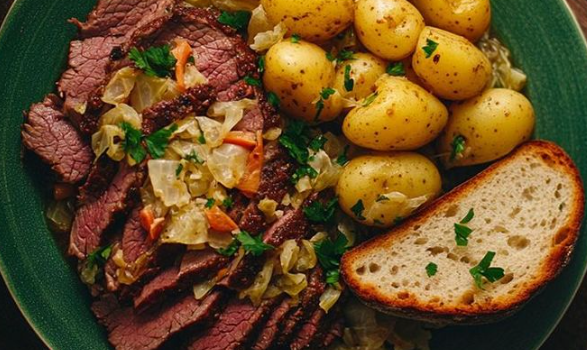
The carvery is a classic Northern Irish meal, often served in pubs or restaurants as a Sunday dinner. This buffet-style service allows you to choose from a variety of meats, vegetables, and potatoes, all served with generous portions of gravy. It’s a quick and satisfying meal, perfect for feeding a crowd.

Sweets and Snacks: Sweet Treats of Northern Ireland

Northern Ireland isn’t just about hearty savory meals; it also has its fair share of sweet treats. Traybakes are one of the most popular snacks, offering a variety of cake-like desserts that are baked in large trays and served in individual portions. One standout sweet is the Jammy Joey, a moist Madeira sponge cake covered in jam and coconut.

Yellowman: A Sweet, Crunchy Treat

Yellowman is a local honeycomb treat, similar to what you might find inside a Crunchie bar. It’s a crunchy, sweet delight that melts in your mouth. In addition to being a tasty snack, it’s also used in a local cocktail that pairs it with ginger ale and Bushmills whiskey—a perfect way to enjoy this treat.

Tayto Crisps: A Local Favorite

No trip to Northern Ireland is complete without sampling Tayto crisps. Known for their iconic flavors, including Cheese and Onion, Tayto crisps are a favorite snack for locals. Whether you’re grabbing a bag at the airport or from a vending machine, these crisps are a must-try snack.

Bushmills Whiskey: A Local Distillery Favorite

For lovers of whiskey, Bushmills is the go-to distillery in Northern Ireland. Known for its smooth, triple-distilled whiskey, Bushmills offers tours where you can sample their products and learn about the distilling process. It’s a great way to experience the local culture and enjoy a glass of the region’s finest whiskey.

Local Beers and Buckfast Wine

Northern Ireland also has a growing craft beer scene, with local brews like Belfast Ale and Belfast Lager gaining popularity. If you’re looking for something a little different, you might want to try Buckfast Wine, a tonic wine that’s gained a cult following in the region.

Conclusion

From hearty breakfasts to indulgent chip shop meals, Northern Irish food is all about comfort, simplicity, and flavor. While it may not always be the healthiest option, it’s certainly one of the most satisfying. If you’re planning a visit, be sure to explore these essential dishes for a true taste of Northern Ireland.

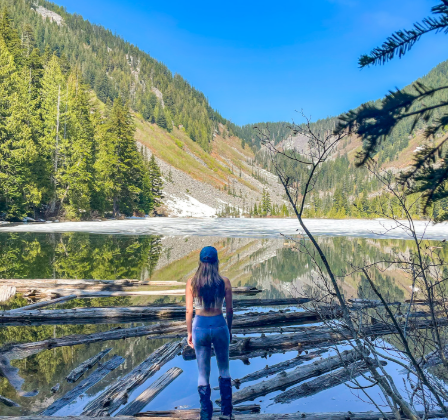
If you’re in search of a challenging yet rewarding hike in Washington, Mount Townsend offers one of the most beautiful and less crowded routes in the Olympic Peninsula. Known for its impressive 360º views, this summit overlooks the Olympic Mountains, Mt. Rainier, the Hood Canal, and even stretches to Canada. With several routes leading to the peak, the Little Quilcene River trail offers a less-traveled, more demanding alternative that guarantees a solid workout and spectacular vistas.

Hike Overview

  • Distance: 6.8 miles
  • Elevation Gain: 2,200 feet
  • Difficulty: Moderate to Difficult
  • Area: Olympic Peninsula
  • Permits: None required

Mount Townsend is one of those hikes that tests your stamina, especially if you’re taking the Little Quilcene River trail. This lesser-known path, starting from the Tubal Cain trailhead, gives hikers a chance to enjoy nature with fewer crowds. Although the climb can be relentless, with a constant incline for the first two miles, the payoff is worth every step.

The Hike

The Little Quilcene River trail starts with an uphill climb through the forest, and from the beginning, you’ll feel the intensity. The trail is steep, with no easy sections to give you a breather. Along the way, however, you’ll be treated to occasional glimpses of the beauty around you, especially when you start to near the summit.

After about two miles, the trail forks, with Mount Townsend waiting on the left. From here, the landscape opens up, offering breathtaking panoramic views of the surrounding Olympic Mountains and the Hood Canal. As you continue for the next 1.4 miles, the trail becomes more exposed, and the view grows even more majestic. It feels as if you’ve stepped into a scene from the Sound of Music—wide-open spaces and lush landscapes begging for a celebratory spin with arms wide open.

Getting There

The trailhead can be accessed from Quilcene, a small town off Highway 101. Alternatively, if you’re coming from Sequim, you’ll take a more rugged road, FS 2909 and FS 2820, which may have some potholes, but is passable with care. The drive from Sequim is a bit longer, around an hour, while from Quilcene it’s shorter, taking about 35 minutes via FS 2820.

  • Trailhead Coordinates: 47.8866, -123.0419

From Seattle

To reach the trailhead from Seattle, you can drive around through Tacoma or take the ferry for a more scenic approach. The ferry ride from Edmonds/Kingston or Seattle/Bainbridge costs around $20 each way, and it’s essential to check the ferry schedules ahead of time. If you’re driving, be mindful of construction delays on the Peninsula, especially near the Hood Canal Bridge.

Once you’re on the Olympic Peninsula, the drive is quite picturesque. The winding forest roads and views of vibrant farmland with wildflowers add to the charm. Don’t forget to make a pit stop if you spot a field of cows—it might delay your ferry but trust me, it’s worth the detour.

What to Bring

This hike is straightforward but it’s important to come prepared:

  • Down jacket: The summit of Mount Townsend can be cold and windy, so a down jacket is essential for staying warm at the top.
  • Trekking poles: These aren’t necessary, but they can be useful, especially on the descent to help with knee strain.
  • First-aid kit & headlamp: Always pack these items for safety.
  • Water & Snacks: Hydration is key, and snacks to keep your energy up are always helpful.
  • Beer: After such a challenging hike, cracking open a cold one at the summit is a well-earned treat.

Last-Minute Tips

  • Dogs: Mount Townsend is dog-friendly, so feel free to bring your pup along if they’re up for the challenge.
  • Post-hike refreshment: After your hike, if you’re waiting for the ferry, stop by Bainbridge Brewing Alehouse or, if in Kingston, try Downpour Brewing or the Kingston Ale House for a cold beer.

Final Thoughts

The hike up Mount Townsend via Little Quilcene River is a fantastic adventure that rewards you with stunning views, a great physical challenge, and a sense of accomplishment. Whether you go for the solitude or just want a new perspective of the Olympic Peninsula, this trail offers everything you could want in a hike. So grab your gear, hit the trail, and prepare for an unforgettable experience!

Malaysia is a food paradise, where you can taste the perfect blend of Malay, Chinese, and Indian influences. With a rich history of diverse cultures, the local food scene reflects this unique mix. If you’re planning a trip to this vibrant country, make sure to explore these essential dishes and experiences that define Malaysian cuisine.

Nasi Campur

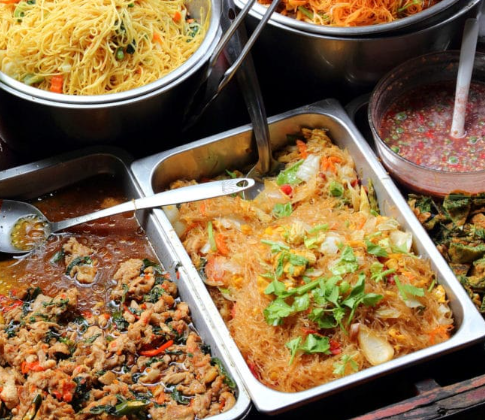
A classic dish you’ll find at food courts across Malaysia, Nasi Campur (which means “mixed rice”) is a must-try. It consists of a plate of rice with a variety of pre-cooked dishes and sides you can pick from a buffet-style setup. Each region offers its own twist on Nasi Campur, with Nasi Kandar (Indian-inspired) popular in the north and Nasi Padang (Malay and Indonesian-inspired) favored in the south. This is an easy and inexpensive way to get a taste of the country’s culinary variety.

Fish Head Curry

Fish Head Curry is a bold and spicy dish that has earned its place as one of Malaysia’s iconic offerings. While it’s believed to have originated in Singapore, this dish is a staple in Malaysia as well, especially at Nasi Kandar restaurants. Made with red snapper’s head, vegetables, and a rich South Indian-style curry, it’s a flavorful, fiery treat. This dish is the result of an Indian chef’s attempt to cater to Chinese tastes, making it a unique fusion of cultures.

Beef Rendang

Though originally from Indonesia, Beef Rendang is a beloved dish in Malaysia. The beef is slow-cooked in coconut milk and a spice paste made of ginger, turmeric, and chilies. The long cooking process ensures the beef becomes tender and the sauce thickens into a rich, caramelized perfection. Rendang is a staple at Nasi Campur buffets, and it’s the kind of dish that shows the depth of Malaysian culinary techniques.

Nasi Lemak

Nasi Lemak is often regarded as Malaysia’s national dish. It’s a simple yet flavorful meal that consists of coconut milk-infused rice, crispy fried anchovies, peanuts, and a spicy sambal sauce. This dish is traditionally eaten for breakfast but can be found all day long. Served wrapped in banana leaves, it’s especially delicious when paired with fried or grilled chicken, making it a satisfying meal any time.

Char Kway Teow

Char Kway Teow, often compared to Thailand’s Pad Thai, is a stir-fried noodle dish made with flat rice noodles, eggs, prawns, and bean sprouts. Stir-fried in soy sauce, this dish is simple but packed with flavor. It’s a common dish across Malaysia and can be found in street food stalls and restaurants. The ingredients may vary regionally, with some places adding cockles or fish cakes to the mix.

Mee Goreng

Mee Goreng is a fried noodle dish often served in food courts and hawker stalls throughout Malaysia. While similar to Char Kway Teow, it uses egg noodles instead of flat rice noodles. Mee Goreng can be made with various proteins, including chicken, beef, or prawns, and is typically stir-fried with vegetables and chili paste. It’s a quick, filling meal, but not as exciting as other dishes on this list.

Curry Mee

Curry Mee is a spicy noodle soup made with egg noodles and a coconut-based curry broth. This dish includes fried tofu and beansprouts, with the option of adding congealed blood cubes for extra texture. It’s similar to the Thai dish Khao Soi but with a more Indian-inspired flavor profile. Curry Mee is widely available and is a favorite among curry lovers.

Chicken Satay

Satay is a beloved barbecue dish in Malaysia, featuring marinated pieces of chicken skewered and grilled over open flames. It’s served with a peanut sauce that can vary in spiciness depending on the region. The best versions of Satay often come from Indonesia, but Malaysia puts its own spin on the dish, especially with chicken wings as an increasingly popular variation.

Loh Mee

Loh Mee is a Penang specialty made with thick egg noodles in a gooey, egg-based broth. This dish is complemented by crispy pork pieces, fried pork skin, and crunchy beansprouts, and often topped with a boiled egg. Loh Mee is a great choice if you’re in Penang, as it’s one of the area’s most beloved noodle dishes.

Hokkien Mee

Originating from the Chinese Hokkien province, Hokkien Mee is a stir-fried noodle dish that’s particularly popular in Kuala Lumpur. The noodles are stir-fried with pork lard, pork, prawns, and dark soy sauce, creating a rich and flavorful dish. It’s typically served with lime, chili, and sambal for extra kick.

Wonton Mee

Wonton Mee is a Chinese-inspired dish that consists of egg noodles served with dumplings filled with ground pork and shrimp. The noodles are often cooked in soy sauce and accompanied by Chinese broccoli. Wonton Mee is a favorite at many food stalls and can be served in soup or as a dry dish with soup on the side.

Butter Prawns

Butter Prawns is a modern Malaysian dish that blends Chinese, Malay, and Indian cooking techniques. The prawns are cooked in a rich sauce made with butter, egg, coconut milk, and curry leaves, resulting in a creamy, spicy dish. There are two variations: the wet version, with a saucy consistency, and the dry version, which is covered in crispy egg floss.

Claypot Chicken Rice

Claypot Chicken Rice is a comforting dish that’s cooked and served in a traditional clay pot. The rice is slow-cooked with stock and chicken, creating a crispy bottom layer and a smoky flavor. This simple yet delicious dish is a great choice for those looking for a warm, satisfying meal.

Biryani Rice

Biryani is a fragrant rice dish that’s popular in Malaysia’s Mamak restaurants. The rice is cooked with spices like cardamom and chili powder, and layered with yogurt for extra flavor. Often served with mutton curry or tandoori chicken, Biryani is a hearty meal that’s perfect for a special occasion.

Roti Canai

Roti Canai is a popular flatbread that originated in India but is now a staple in Malaysia. It’s a simple, pan-fried bread that’s served with curry sauce or various meat curries. Variations like Murtabak (stuffed Roti) and Kotthu (Roti mixed with meat and egg) add exciting twists to this humble dish.

Tandoori Chicken

Tandoori Chicken is a dish that’s made in a traditional clay oven called a tandoor. The chicken is marinated overnight in a mixture of spices and yogurt, then grilled in the tandoor to achieve a perfectly tender interior and crispy exterior. It’s a must-try for anyone visiting Malaysia.

Samosas

Samosas are deep-fried pastries filled with spiced potatoes, meat, or vegetables. These tasty snacks are commonly found in Indian-influenced areas of Malaysia, especially in food courts or at curry puff stands. They make for a quick and satisfying snack, perfect for eating on the go.

Steamboat Hot Pots

Steamboat, or Hot Pot, is a communal dining experience that was introduced by Chinese traders in Malaysia. Guests cook their own meats, vegetables, and noodles in a simmering broth, choosing from a variety of flavorful options like Malay Soto, Thai Tom Yum, or spicy Sichuan. It’s a fun, interactive way to enjoy a meal with friends.

Lok Lok Hot Pot

Lok Lok is a street food variation of Hot Pot, where skewered meats and vegetables are dunked into a hot broth for a quick cook. It’s a fast, casual way to enjoy the flavors of Hot Pot and is often served with a variety of spicy dips and sauces.

Rojak

Rojak is a fruit and vegetable salad tossed in a sweet, sour, and spicy chili and tamarind dressing. The fruits used vary by season and region, but common ingredients include water apple, pineapple, and mango. A similar dish, Pasembur, is an Indian-inspired version with deep-fried vegetables and a sweet, spicy sauce.

Ais Kacang

Ais Kacang is Malaysia’s version of a shaved ice dessert. It’s a refreshing treat made with layers of shaved ice, fruits, beans, and syrups. It’s a popular choice for a cool, sweet finish to a meal and can be found at food courts and dessert stands throughout the country.

Durian

Durian is Malaysia’s famous “King of Fruits,” known for its strong smell and divisive taste. Some people love its creamy, sweet flesh, while others find it overpowering. Durian is typically available from June to October, and trying it is a quintessential Malaysian experience.

Extra Strong Beer

In Malaysia, alcohol is heavily taxed, but you can still find strong beers with high alcohol content. The local Carlsberg Special Brew is 8.8% ABV, but many beers, including Guinness, have higher alcohol content here compared to other countries. If you’re a fan of strong drinks, this is something to explore.

Fruit Juices and Teh Tarik

For those avoiding alcohol, Malaysia’s fresh fruit juices are an excellent alternative. Lychee juice and salted mango lassi are my personal favorites. Teh Tarik, a frothy tea made with black tea and condensed milk, is another daily staple in Malaysia. It’s often enjoyed at Mamak restaurants alongside meals.

Malaysian cuisine offers an incredible variety of dishes influenced by a diverse cultural landscape. Whether you’re savoring a rich beef rendang or cooling down with Ais Kacang, the food here is a reflection of the country’s vibrant and delicious heritage.

When it comes to sausages, I know my stuff. While I haven’t tried every single one in Chiang Mai, I can confidently say that the best Sai Oua (Northern Thai Sausage) in the city can be found at Mae Hia Fresh Market, also known as Talad Sod Mae Hai. It’s a subjective choice, of course, but based on local recommendations, the long queues, and the daily volume of sausages they grill up, this place is tough to beat.

Mae Hia Fresh Market

The stall at Mae Hia Market, or what could be better described as a mini kitchen, is called Gao Makham (which translates to “under the tamarind tree”). It’s a bit tricky for those who don’t read Thai, but if you’re looking for it, just head to the corner of the market near the road where you’ll spot long queues waiting for their turn. This is where they grill up the Sai Oua sausages so fresh and crumbly that they fall apart when poked with a stick.

Finding Gao Makham

Unlike hawker stalls in places like Singapore or Malaysia, Thai people aren’t typically fond of waiting in long lines unless they’re in air-conditioned comfort. However, to find Gao Makham, you need to look for the queues. There’s another similar stall called Sai Oua Samonprai (which means “herbal sausage”) across the market, and while it’s also a top contender for the best sausage, Gao Makham remains a favorite.

Herbal Goodness

Both stalls serve sausages that are packed with herbal flavors, and when I say herbal, I mean the best-known Thai flavors: lemongrass, kaffir lime leaves, chillies, and galangal. This combination gives the sausages a wonderful sour, spicy kick, similar to the flavors you’ll find in Isaan dishes like prik kaeng (a Thai spice mix). This balance of heat and fragrance makes the sausages truly stand out.

Lanna Favorites at Mae Hia Market

While the journey to Mae Hia Market might seem like a trek, it’s definitely worth it, especially if you’re a fan of Lanna cuisine. Beyond the sausages, this market is a treasure trove of Northern Thai favorites. When we’re traveling further afield, Mae Hia Market is our go-to spot for road trip snacks. We pick up staples like kap moo (crispy pork skin), nam prik noom (grilled green chili dip), and naem mok (steamed fermented pork), all served with sticky rice. There are also heartier dishes like kaeng hang leh (fruity pork curry), nam niao (tomato curry), and the famous Khao Soi (Burmese curry noodle soup).

Food on the Go

The great thing about Mae Hia Market is that most of the food is sold to-go, making it perfect for road trips. We often grab our snacks and eat in the car—though eating in the car comes with its own set of risks, like avoiding the 5,000 baht fine for eating in certain areas. But it’s worth it when you get to enjoy these delicious treats. On our last trip, we were accompanied by a Vietnamese friend who had been hesitant about Thai food until she tried Sai Oua. The flavor was so good, it broke down her food snobbery. By the end of the trip, she couldn’t get enough and even became a fan of Khao Soi. Who knows? She’s now thinking about moving to Chiang Mai!

When you’re out on the trail, packing the right gear can make or break your experience. One essential item that can help keep things organized is the infamous “ditty bag.” If you’re not familiar with it, a ditty bag is simply a small, practical bag that holds all the little things you need while backpacking. It’s where you store those items that could easily get lost in the bottom of your pack but are crucial to your survival and comfort.

In this post, I’ll walk you through the contents of my ditty bag and explain why each item is vital to my hiking and backpacking setup. From first aid essentials to toiletries and repair kits, this bag covers all the bases for my outdoor adventures.

What’s in My Ditty Bag?

The contents of my ditty bag are a blend of essential items for maintaining my health and well-being, staying clean, and keeping my gear in working order. While some items are kept inside the bag, others, like my potty kit, are kept in separate compartments or on the outside of my pack for quick access.

First Aid & Toiletries

When you’re hiking, you need a first aid kit that’s both compact and effective. I prefer to keep mine lightweight, so I don’t carry everything under the sun. Instead, I bring the essential items I might need to handle minor injuries or issues until I can reach help or evacuate.

First Aid Kit:

  • Pain Relief: A small pill bottle containing Ibuprofen (800mg per dose), Benadryl (1 per day), Immodium (1 per day), Aspirin, and my personal prescription meds.
  • Alcohol Swabs: 2-3 swabs for cleaning wounds.
  • Gauze: 2-4 squares for dressing wounds.
  • Triple Antibiotic Ointment: For cuts and scrapes.
  • Burn Relief Gel: In case of burns.
  • Bandaids: Just a couple for minor cuts.
  • Leukotape: This tape is an absolute game-changer, offering a strong adhesive that helps prevent blisters and keeps bandages secure.
  • Vagisil: A surprising but effective solution for preventing and healing chafing.
  • Tweezers: For removing splinters, stingers, or ticks.
  • Hand Sanitizer: Always a must for hygiene on the trail.
  • Bandana: It can be used for various things, from wiping your face to acting as a makeshift tourniquet in an emergency.
  • Garmin inReach Mini: A satellite communicator for emergencies if self-evacuation fails.

Toiletries:

While some of these items might seem like luxuries, they make a significant difference in your comfort on the trail, especially on longer trips.

  • Sunscreen: Always SPF 30 or higher, plus an SPF lip balm.
  • Eyedrops: Great for dry eyes and flushing out debris.
  • Bug Spray: I prefer Picaridin because it’s effective against ticks and mosquitoes without damaging gear like DEET does.
  • Body Wipes: An easy way to clean yourself, especially when water is scarce or too far away. Helps prevent chafing.
  • Toothbrush & Toothpaste: Always travel-sized to save weight.
  • Floss: It’s great for personal hygiene, and you can also use it for gear repair.
  • Mini Nail Clippers: Keep those toenails in check to avoid discomfort.

Repair Kit

Even with the best gear, accidents can happen, and your equipment might need a quick fix. My repair kit is lightweight and focused on handling small repairs for my most crucial gear.

  • Tenacious Tape: Essential for patching holes in tents, jackets, or sleeping pads. It’s perfect for silnylon and DCF (Dyneema) tents.
  • Inflatable Sleeping Pad Repair Kit: Includes patches and an alcohol swab for quick fixes on the trail.
  • Needle & Floss: Use them for mending gear or even dealing with large blisters.
  • Safety Pin: Can be a lifesaver in a pinch for fabric repairs.
  • Duct Tape: Wrapped around my trekking pole, it’s a versatile repair material for various emergencies.
  • Knife: For cutting tape, cordage, or even fabric, it’s a handy tool to have on hand.
  • Bandana: In addition to being a multi-purpose item, it can also help if your gear gets damaged. For example, if your backpack strap gets chewed up, you can use the bandana as a makeshift repair.

Together, these items weigh less than a pound and are stored in a compact DCF roll-top dry bag to keep them dry. The inReach Mini, bandana, and hand sanitizer hang on the outside of my pack for easy access.

Potty Kit

When nature calls, you want to make sure you’ve got the right tools to take care of business in the backcountry. My potty kit is simple, but it’s designed to follow Leave No Trace principles and make things as easy as possible.

  • Trowel: I use the ultra-light Deuce of Spades trowel for digging a cat hole.
  • Toilet Paper: I pack around 6 squares per day and use natural materials like leaves or stones for the first few wipes when possible.
  • Ziplock Bags: One for clean toilet paper and another for used TP.
  • Kula Cloth: My favorite pee rag! It’s great for reducing waste and keeping things clean.
  • Hand Sanitizer: Always a must after the bathroom, and body wipes come in handy for extra cleanliness.

This setup may seem like a lot to carry, but it’s all about being prepared. Having a well-packed ditty bag ensures you’re ready for just about anything the wilderness throws your way. And while not all of this gear is strictly necessary for every hike, it’s a lifesaver when you’re miles from civilization, dealing with unexpected situations.

Salar de Uyuni, located in the heart of Bolivia, is one of the most remarkable destinations in South America. From the vast salt flats to its surreal landscapes, including colorful lagoons and towering volcanoes, there’s no shortage of jaw-dropping views. While many visitors choose to explore this region via guided tours, it’s entirely possible to experience Uyuni on your own terms, at your own pace.

In this guide, I’ll share essential tips and things to know before embarking on your Salar de Uyuni adventure, whether you’re considering a tour or going independent.

1. Choose Your Starting Point: Uyuni or Tupiza

You can begin your Salar de Uyuni journey from either Uyuni or Tupiza, two towns located near the salt flats. If you’re coming from Argentina, Tupiza is a great option since it offers fewer tourists and smaller agencies. From Tupiza, the tours tend to last four days. On the other hand, Uyuni offers more flexibility, with 1, 2, 3, or 4-day tours, and many agencies to choose from. If you’re heading to Chile afterward, some tours from Uyuni can drop you off in San Pedro de Atacama for a small extra fee.

2. A 1-Day Tour Might Be Enough

While the multi-day tours are popular, they’re not the only option. If you’ve already visited other parts of South America with similar landscapes, a one-day tour may be all you need. Many travelers opt for the longer trips, but don’t feel pressured to follow the crowd if a shorter option suits you better.

3. Bargain for the Best Price

Most tour operators are open to negotiation, so don’t settle for the first price you’re offered. During my experience with Esmeralda Tours, members of our group paid anywhere from 700B to 870B, depending on their negotiation skills. If you’re traveling with a group, you’ll likely have more leverage to lower the cost.

Pro Tip: Ask the operator if they can include a sleeping bag in the price, as temperatures at night can drop significantly!

4. Pack Essentials: Toilet Paper, Snacks, and Water

Don’t forget to bring your own toilet paper, as most accommodations along the tour won’t provide it. Also, be aware that park entry fees, bathroom use, and hot showers are typically not included in the tour cost, so you may need extra cash on hand. Snacks and plenty of water are also essential as the remote areas offer limited access to supplies.

5. Be Prepared for Spanish

Most tours are conducted in Spanish, so unless you’re fluent, it’s helpful to learn some basic phrases or rely on fellow travelers who can assist with translations. If you want to ensure an English-speaking guide, you might need to book a private tour, which could be pricier but tailored to your preferences.

6. Acclimate to the Altitude

The high-altitude landscapes of Uyuni can be a challenge, especially if you haven’t had time to acclimate. Though the majority of the tour is by vehicle, the altitude can still affect your energy levels. Make sure to stay hydrated, and if you’re feeling unwell, ask your guide for coca leaves or tea to ease symptoms. Some travelers opt to bring altitude sickness tablets just in case.

7. Experience the Starry Sky

One of the most unforgettable moments in Uyuni is the starlit sky. Despite the freezing temperatures, I made sure to step outside on the second night to witness a dazzling display of stars that looked like shimmering fireflies. If you’re an astronomy enthusiast or just appreciate the beauty of the night sky, make sure you get outside for this incredible experience.

8. Get Creative with Photos

Salar de Uyuni is the perfect place for creative and fun photos. With its vast, open salt flats, you’ll have ample opportunities to capture playful perspective shots that are sure to entertain. Set aside an hour or two for this activity, as everyone enjoys creating these lighthearted photos.

9. Charge Up Your Devices

Many of the accommodations along the tour are basic, and charging facilities can be scarce. I was lucky to have fellow travelers with backup chargers when my phone battery ran out. Bring your own portable charger to avoid missing out on capturing those unforgettable moments.

10. Catch a Tour Upon Arrival

If you’re coming in on an overnight bus from La Paz, you’ll likely arrive in Uyuni early in the morning. This gives you plenty of time to find a tour operator and join a tour by around 10:30 a.m. If you prefer to rest for a night before the tour, there are quirky and unique accommodations to consider, such as Onkel Inn Wagon Sleepbox or Casa Andina Salt Hotel, which offer memorable stays and great amenities.

11. Layer Your Clothing

The temperature in Uyuni can vary dramatically, especially if you’re visiting during colder months. I went in late September, and it was freezing at night, requiring layers like alpaca socks and gloves. Be prepared for cold nights, especially since most accommodations are basic and won’t have heating.

12. Plan Your Arrival

Getting to Uyuni is easy with bus connections from major cities like La Paz. A bus ride from La Paz costs around 130B and can be chilly, so pack warm clothing. Alternatively, there are flights to Uyuni from other Bolivian cities with Amaszonas and Boliviana, but be sure to book early, as flights can fill up quickly.

Final Thoughts

Whether you decide to explore Salar de Uyuni on a guided tour or on your own, this otherworldly destination is sure to leave you in awe. With its salt flats, surreal lagoons, and unique landscapes, the experience is bound to be one of the highlights of your trip to Bolivia. Just remember to plan ahead, pack wisely, and enjoy the adventure!

In today’s digital age, technology plays a significant role in backpacking, making outdoor adventures easier, safer, and more enjoyable. During my 2018 Pacific Crest Trail (PCT) thru-hike, I relied on various electronic devices that helped me navigate, stay connected, and document my journey. Although new models and improved gear are available today, my experience can still offer valuable insights into how technology can enhance your backpacking experience.

The Basics of My Hiking Tech

For my PCT hike, I carried a combination of devices that ensured I was prepared for anything the trail threw at me. The key was to find a balance between functionality, weight, and battery life. Here’s a breakdown of the tech I used:

iPhone 8 Plus

The iPhone 8 Plus was my go-to device for several reasons. With its dual-camera system featuring wide-angle and telephoto lenses, it allowed me to capture stunning photos along the trail. I chose this phone before my hike because of its increased storage and improved camera capabilities, which helped me document the journey without worrying about uploading photos during the hike.

I used my iPhone for various purposes, including:

  • Photography and video: Capturing moments on the trail.
  • Navigation: Accessing maps and trail guides.
  • Entertainment: Listening to podcasts and music during longer stretches of the hike.
  • Emergency flashlight: Always having a backup light source.
  • Research: Checking trail conditions and weather updates when I had a signal.
  • Communication: Staying in touch with family and friends back home.

To conserve battery, I kept the phone on Airplane Mode and Low Power Mode whenever possible.

FarOut Guides (formerly Guthook)

FarOut Guides is an app specifically designed for thru-hikers, and it was a lifesaver during my PCT hike. The app combines topographical maps, navigation, and a trail guide, showing everything from water sources to campsites and trail hazards. One of the best features of FarOut is its elevation profile, which helps hikers understand the terrain they’re about to encounter.

It also offers a user-generated comment system, so you can get updates from other hikers, making it a fantastic tool for keeping track of trail conditions and closures. While I couldn’t rely on it for everything, it was one of the most crucial apps I used on the trail, especially for navigation.

Garmin inReach

The Garmin inReach was arguably the most critical piece of technology I carried. This satellite communicator allowed me to send and receive messages when there was no cell service, which helped me stay in touch with my family. Each night, I sent a check-in message to my parents, giving them peace of mind.

The inReach’s SOS button was another essential feature, offering a direct line to search and rescue in case of an emergency. I also relied on its weather feature when in the remote areas of Washington, where weather forecasts for nearby towns didn’t always match conditions in the mountains.

Since the Garmin inReach Mini has since been released, I would recommend any Garmin inReach model for backcountry communication during long hikes like the PCT.

Anker PowerCore II 20,000 mAh

Having a reliable power bank is crucial for multi-day hikes where you rely on electronics for navigation, communication, and even entertainment. I chose the Anker PowerCore II 20,000 mAh after thorough research and direct communication with Anker’s customer service. This power bank had the capacity to keep my devices charged, even when I needed to charge my phone and headlamp daily.

I paired it with a quick-charging wall charger, and it took about 5 hours to fully charge the battery. The weight was manageable, and the power bank lasted around 9 days when charging my iPhone and other devices. Since tech advancements continue rapidly, newer power banks now hold even more power while maintaining the same size and charging faster. If you’re planning a hike, I recommend checking out Anker’s latest models.

Striking the Right Balance with Technology

While technology certainly makes backpacking more efficient, it’s important to strike a balance between staying connected and fully experiencing the outdoors. Some hikers prefer minimal tech, while others embrace a more tech-savvy approach, as I did. For my PCT hike, having the right gadgets helped me navigate, stay safe, and capture the essence of my journey.

Although I also carried a mirrorless camera, I found myself questioning if it was worth the extra weight on such a long hike. Going forward, I may rely more on my smartphone for photos and leave the extra camera behind, especially if I’m aiming for a lighter load.

Whether you’re hiking the PCT, or just embarking on a shorter backpacking adventure, incorporating the right technology can elevate your experience, but make sure not to over-pack. You’ll want to make sure that your gear is both functional and manageable, allowing you to focus on the adventure itself.

When we head out on our local adventures, we always bring our dogs along. Whether it’s hiking or extended day trips, having a way for them to carry their own supplies is essential. That’s where a dog backpack like the Kurgo Baxter comes in. Over the years, we’ve found this pack to be an invaluable tool for our outdoor trips, and it’s been a great fit for both our dogs.

What Makes a Good Dog Backpack?

Before diving into the specifics of the Kurgo Baxter, let’s go over the key features we look for in any dog backpack:

  • Fit: A well-fitted pack is crucial for comfort. Look for adjustable straps and a good harness system.
  • Durability: Dogs are tough on gear, so we prioritize sturdy materials and design.
  • Adjustability: Dogs come in various shapes and sizes, so flexibility in fit is a must.
  • Capacity: While dogs don’t need the same packing space as humans, it’s essential that the pack can carry their food and water for the day.
  • Visibility: Bright colors help us spot our dogs quickly, especially in the event that they wander off.

Review of the Kurgo Baxter Dog Backpack

The Kurgo Baxter is a saddlebag-style pack designed for dogs weighing between 30-85 lbs. With a 3.75-liter capacity, it’s spacious enough for a couple of days’ worth of food and water, though it’s on the smaller side for larger dogs. The Baxter comes in vibrant colors—red, blue, and orange—which helps keep our dogs visible on the trail. It also includes features that enhance both functionality and comfort for our furry companions.

  • Capacity: 3.75 liters
  • Fit: Adjustable to fit dogs of various shapes and sizes (30-85 lbs)
  • Material: 300D and 400D polyester, durable nylon straps
  • Key Features:
    • Four pockets for gear storage
    • 9 adjustable points
    • Rear leash attachment point
    • Top handle for added control
    • Reflective trim for visibility
    • Available in bright colors: red, blue, or orange
    • MSRP: $57.99 (often cheaper on Amazon)

Fit and Adjustability

The Kurgo Baxter stands out in terms of fit, thanks to its 9 points of adjustment. This allows the pack to fit dogs of different sizes comfortably, even when there’s a big size difference between two dogs. Adjusting the pack can take a bit of time, but once it’s set, it stays secure and snug. We’ve been able to use the same pack for both Phoenix and Kota, even though Phoenix is much larger.

The harness system includes a Y-strap over the shoulders and additional straps around the chest and waist. This design ensures a tight and comfortable fit while distributing weight evenly. The back panel is contoured and padded, made with breathable nylon mesh to help keep our dogs cool. They seem to enjoy wearing the pack, and neither of them shows any signs of discomfort during our hikes.

The rear leash attachment is also convenient, allowing you to control your dog easily when needed. The top handle provides additional control, especially if you need to guide your dog past obstacles or keep them close in crowded areas.

Capacity and Storage

The 3.75-liter capacity might feel a bit limited for long-distance hikes, but it works perfectly for day trips. We’ve managed to pack food and water for a couple of days with no issues. There are four pockets in total, which provide great organization options. The larger pocket holds food, and the smaller ones are perfect for flat items or accessories like poop bags and a leash. The pack also has two loops for attaching collapsible bowls or other small items, making it easy to stop for water breaks on the trail.

For larger dogs or those capable of carrying more weight, the Big Baxter might be a better option as it offers double the capacity of the regular version.

Durability, Color, and Style

The Kurgo Baxter comes in bright colors, which is a huge plus for visibility. We’ve always opted for the red and blue versions for our dogs, and the reflective trim provides added peace of mind. The colors also help us quickly identify our dogs in the wilderness, especially if they ever get off leash.

The pack’s design is slim and fits close to the body, minimizing any risk of snags on brush or branches. This reduces wear and tear, and it seems to be holding up very well so far. We haven’t had any issues with durability, but time will tell as we continue to use it on various trips.

Final Thoughts

Overall, the Kurgo Baxter is a great dog backpack that combines comfort, durability, and convenience. It fits well, is easy to adjust, and offers sufficient capacity for day hikes. While the load capacity may not be suitable for extended trips with larger dogs, it’s perfect for short outings or weekend adventures. If you’re looking for a reliable and functional dog pack, the Kurgo Baxter is definitely worth considering.

Coconuts are a staple in many parts of the world, especially in tropical regions like Thailand. Whether you’ve enjoyed coconut water from a young coconut or used coconut milk in your favorite dish, there’s so much more to these versatile fruits. From harvesting to processing, let’s dive into the many aspects of coconuts and how they’re used.

Dehusking and Preparing Coconuts

When it comes to opening coconuts, I’ve taken on the self-appointed title of “coconut wrangler,” as it sounds much more exciting than the traditional “coconut opener.” The process starts with dehusking, which is often a team effort. I typically take the lead, using a metal prying tool to make a few jabs around the coconut until the husk loosens. Once it’s loose, I pass it over to the rest of the team, who finish the dehusking with sharp coconut cleavers. The husks are then discarded, often repurposed for things like fueling stoves or crafting hanging plant pots.

Brown Coconuts and Coconut Milk

Brown coconuts, which are more mature than their green counterparts, are commonly used for coconut milk. These coconuts, having fallen from the tree and matured, are cracked open, and the water inside is discarded as it’s no longer suitable for drinking. The real treasure is the thick, fleshy pulp that coats the inside. To make coconut milk, we grate the pulp and mix it with hot water, then strain it through a sieve. The first squeeze, called “Hua Kati,” is the richest and most coconut oil-laden, perfect for cooking. The second squeeze, “Hang Kati,” produces the more liquid coconut milk used in curries and desserts. If left to sit, the milk thickens to form coconut cream, a richer version of the milk that’s great for desserts.

Bulk Processing for Large Quantities

While the traditional method of making coconut milk works great for small batches, it’s far too time-consuming when you’re dealing with large quantities, like the 60 coconuts I processed for a village ceremony. In this case, we take a trip to a local processor. The process is similar but done with machines, which quickly grate the coconut pulp and squeeze out the milk. In less than an hour, we leave with bags of coconut milk, ready for use in feeding the crowd. This method is far more efficient than doing everything by hand.

Green Coconuts and Coconut Water

Green coconuts, or young coconuts, are harvested before they mature. These are the ones commonly seen at markets, where they’re hacked open to reveal the sweet, refreshing coconut water inside. This liquid, which sloshes around when you shake the coconut, is delicious and hydrating. While green coconuts don’t provide the thick pulp needed for coconut milk, the water is perfect for drinking. Opening them is simple: just slice off the top and insert a straw.

Roasted Coconuts

Roasted coconuts are another variation that’s quite popular. These are young coconuts, stripped down to their shell and roasted over hot coals for about 20 minutes. The result is a sweeter coconut water and soft, easily separated flesh. This makes roasted coconuts a great dessert option, often served with coconut ice cream and various toppings like peanuts, sweetcorn, or jelly. To drink the coconut water, you simply pierce one of the eyes and insert a straw. The roasted coconuts are easy to distinguish from green coconuts by their brown shells and occasional scorch marks.

Coconuts Inside Coconuts

Occasionally, coconuts begin to sprout when left on the ground for an extended period. This sprout forms inside the shell, and while it’s edible, it’s not the most flavorful or appetizing. The texture is spongy and unpleasant, often described as cotton-like, and many people choose to discard the sprout. However, the pulp of these coconuts can still be used for making coconut milk.

Palm Wine and Palm Sugar

In addition to the fruit, other parts of the coconut tree are used to produce products like palm wine and palm sugar. Palm wine is made by collecting sap from the young coconut flowers. This sap is naturally sweet and can ferment to create a mild alcoholic beverage. The best palm wine is distilled into a stronger liquor, often referred to as palm whisky. Palm sugar, on the other hand, is made by boiling down the sap to a thick syrup, which is then allowed to harden. This sugar is commonly used in Asian cooking and desserts, adding a rich sweetness to dishes.

Collecting Coconuts

Coconuts are typically collected either by waiting for them to fall or by using pruning poles to chop them from the trees. In some regions, especially in the southern parts of Thailand, macaque monkeys are trained to climb the trees and throw the coconuts down. The process of collecting coconuts can be risky, as falling coconuts can cause injuries. Some areas even prune the trees to avoid accidents, as “death by coconut” is a genuine concern.

From harvesting to processing, coconuts play an integral role in life across many tropical regions. Whether you’re enjoying the sweet water from a young coconut, using coconut milk in cooking, or savoring a roasted coconut dessert, the possibilities are endless. The coconut is truly a gift from nature, providing a range of products that are both nutritious and delicious.

Sydney and New South Wales (NSW) are home to some of the most stunning natural wonders in Australia. From the vibrant beaches of Sydney to the lush wilderness of the Blue Mountains, there’s no shortage of awe-inspiring landscapes to explore. Whether you’re hiking through ancient rainforests, strolling along pristine beaches, or stargazing in one of the clearest skies in the country, here are eight natural wonders in the region that are sure to leave you speechless.

1. Blue Mountains

Just outside of Sydney lies the Blue Mountains, a UNESCO World Heritage site renowned for its breathtaking scenery. The mountain range is known for its eucalyptus forests and the distinctive blue haze that blankets the valleys. You can take in spectacular views of the famous Three Sisters rock formation from the Scenic World Skyway or hike through the lush rainforest trails. Other highlights include the Blue Mountains Botanic Garden and the ancient Jenolan Caves, where you can explore an extensive network of limestone caves.

Best time to visit: Spring (September to November) and autumn (March to May) are the ideal seasons to explore when the weather is perfect for outdoor activities and the landscapes are at their most vibrant.

2. Royal National Park

Australia’s first national park, the Royal National Park is located just an hour south of Sydney. This park is a haven for nature lovers, offering everything from rugged coastal cliffs to serene beaches and lush rainforests. It’s an excellent spot for hiking, swimming, or simply relaxing in one of the park’s many picnic areas. Notable attractions include Wedding Cake Rock, Wattamolla Beach, and Eagle Rock, which offers a unique rock formation shaped like an eagle’s beak.

Best time to visit: The park is beautiful year-round, but spring offers the best wildflower displays, and winter is ideal for whale watching along the coast.

3. South Coast

NSW’s South Coast is a paradise for beachgoers and nature enthusiasts alike. Known for its white sandy beaches and clear turquoise waters, the region also boasts incredible coastal rock formations like Kiama Blowhole, where seawater shoots up into the air, and Cathedral Rocks, which rise dramatically from the ocean. Don’t miss Horse Head Rock in Bermagui, a distinctive formation that resembles the head of a horse.

Best time to visit: The summer months (December to February) are perfect for enjoying the beaches, while whale watching is best from May to November.

4. Port Stephens

A two-and-a-half-hour drive from Sydney, Port Stephens offers a perfect beach getaway with golden sands, a sparkling bay, and plenty of opportunities for water-based activities. The Stockton Beach Sand Dunes are the largest moving dunes in the Southern Hemisphere, and you can explore them by camel or quad bike. For panoramic views of the bay, take the short hike up to the top of Tomaree Head.

Best time to visit: Summer is ideal for water activities, but for whale watching, late June and early July offer the best opportunities.

5. Byron Bay

Famous for its relaxed vibe, Byron Bay is one of Australia’s most iconic coastal towns. The region offers beautiful beaches, great surf, and stunning natural scenery. For incredible views, head to the Cape Byron Lighthouse, the easternmost point of Australia. Byron Bay is also known for its thriving arts scene and its laid-back, bohemian atmosphere.

Best time to visit: Byron Bay is a year-round destination, with summer perfect for water sports and winter ideal for whale watching and rainforest walks.

6. Caves Beach, Lake Macquarie

Located just 10 minutes from Catherine Hill Bay, Caves Beach is famous for its stunning sea caves, which are best explored at low tide. The caves create a surreal atmosphere with arches and tunnels carved by the ocean over thousands of years. The golden hour, when the sun casts warm light on the caves, provides some of the best photo opportunities.

Best time to visit: Check the tide schedule to time your visit for low tide, especially for exploring the caves.

7. Stargazing in Central NSW

Central NSW offers some of the clearest skies in Australia, making it an ideal location for stargazing. Warrumbungle National Park is home to Australia’s first Dark Sky Park, offering a unique opportunity to see the Milky Way in all its glory. The area’s low humidity and high altitude make it the perfect spot for a night under the stars. If you’re in the area, consider booking a stargazing tour at Milroy Observatory in Coonabarabran.

Best time to visit: Spring offers mild temperatures and golden wattle flowers, creating the perfect environment for camping under the stars.

8. Morton National Park

Located in the Southern Highlands, Morton National Park is known for its lush rainforests, deep gorges, and stunning waterfalls. Fitzroy Falls is one of the park’s most famous attractions, with water plunging over 80 meters into the valley below. Another highlight is Belmore Falls, which cascades over 100 meters into the surrounding rainforest. The park is a great place for wildlife spotting, with kangaroos and wallabies frequently seen in the area.

Best time to visit: Spring and autumn offer mild weather and vibrant foliage, making it an ideal time for hiking and exploring the waterfalls.

Conclusion

From the majestic mountains of the Blue Mountains to the serene beaches of the South Coast, New South Wales offers an incredible range of natural wonders to explore. Whether you’re seeking adventure in the wilderness, stargazing under clear skies, or relaxing on the beach, this region has something to offer every nature lover. So pack your bags and get ready to experience the natural beauty of Sydney and NSW.